Deploying robust cold-box and hot-box automatic sand core production complexes matching the uncompromising quality directives of Western European foundries.
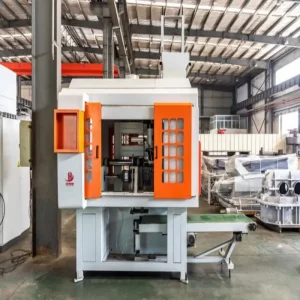
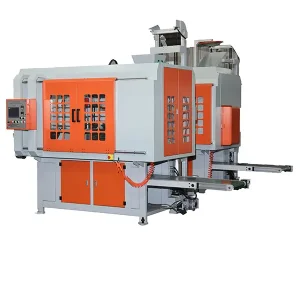
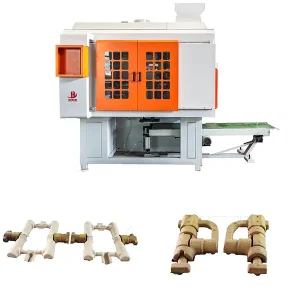
Geneva and the surrounding Swiss Lemanic region represent the pinnacle of advanced micro-mechanics, watchmaking, high-pressure fluid valve systems, and biomedical instrument fabrication. While traditional heavy metal casting has evolved, the need for high-complexity, defect-free metal components remains paramount. Modern Swiss industrial manufacturing relies heavily on casting processes that demand exceptionally high dimensional stability and superior surface finishes. The foundation of these castings is the sand core, whose precision dictates the internal complexity and fluid dynamic efficiency of pumps, hydraulic valves, and automotive engine parts.
To maintain competitiveness, Geneva-based engineering firms and Western European automotive/sanitary suppliers are transitioning toward digitized and automated sand preparation and core shooting systems. Local environmental regulations demand equipment that reduces emissions (specifically amine emissions in cold-box processes) and optimizes energy efficiency, driving factories to source from leading machinery manufacturers that can bridge cost-efficiency with high-tier technological implementation.
A sand core shooting machine utilizes compressed air to inject binder-coated silica sand into a heated or gassed core box at extreme speeds. If the compaction, air vent distribution, or shot pressure curve is misaligned, the resulting core suffers from low tensile strength, gas pockets, or dimensional warping. For precision machinery components built in Swiss labs and factories, a micro-deviation in core dimension translates directly to post-casting machining overheads or component failure under hydraulic pressure. Therefore, modern manufacturers require core shooters equipped with multi-stage pressure profiling, automated sand replenishment, and absolute thermal control over the curing box.

Xiamen DingZhu (DZ) Intelligent Equipment Co., Ltd. was founded in 2016. The company is principally engaged in the research, development, and manufacture of high-end automated equipment for the foundry industry, heavily utilized in plumbing hardware, high-end sanitary ware, automotive spare parts, hydraulic valves, and aerospace sectors.
DZ provides complete digital casting workshop planning, including automatic sand core shooting machines, gravity die casting machines, automated Low Pressure Die Casting machines (LPDC), and high-precision robotic grinding & polishing cells. We bridge the gap between heavy industrial casting and robotic precision, helping foundries transition from manual, high-risk work environments to fully automated, highly efficient, and safe clean-rooms.
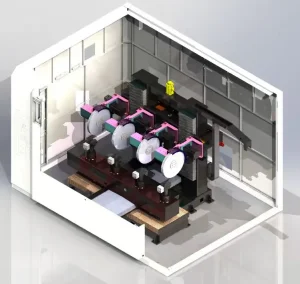
Our sand core shooting machines are built with high-rigidity structural steel, combining robust pneumatic shooting mechanisms with state-of-the-art Siemens or Omron PLC controls. We support both Hot Box / Shell Core (curing sand via heat activation in the tooling) and Cold Box (curing using amine gas catalysis) technologies, allowing foundries to select the optimal binding chemistry for their specific metallurgical workflows.
| Specification Parameter | DZ-6050 Series (Precision Spec) | DZ-8060 Series (Heavy Industrial Spec) |
|---|---|---|
| Core Box Clamping Force | 80 kN | 150 kN |
| Maximum Sand Shoot Weight | 12 - 25 kg | 30 - 65 kg |
| Core Box Travel Stroke | 300 - 500 mm | 400 - 750 mm |
| Control System Platform | Siemens S7-1500 / HMI Panel | Siemens S7-1500 / EtherCAT PLC |
| Heating Method (Hot Box) | Electrical / Gas Burner (Integrated) | Gas Burner / Proportional PID Electric |
| Curing Cycle (Material Dependent) | 15 - 45 seconds | 20 - 60 seconds |
To achieve homogeneous core density, our machines feature a proprietary dual-chamber sand fluidization valve. Before the shot cycle initiates, low-pressure compressed air fluidizes the resin sand inside the shoot head. When the primary valve opens, the sand behaves like a non-Newtonian fluid, filling deep and narrow cavities within the core box without leaving air pockets or causing premature bridging. This translates to incredibly smooth core surfaces, drastically reducing metal penetration and surface roughness in finished castings.
DZ Intelligent Equipment maintains a global footprint to support your automated production lines, ensuring maximum uptime and rapid response.

20 years of technology precipitation. Our equipment utilizes mature, market-verified technical solutions resulting in an average failure rate 40% lower than the industry baseline.

Our core design engineers have focused on casting, automation, and metal finishing for over two decades, delivering end-to-end support from process design to tooling optimization.

With local service centers in Turkey, India, Egypt, Iran, and partners in Western Europe, we offer on-site support and plant layout consulting within 24 hours.

Standardized parts warehouses covering over 80% of wearing components across global hubs. Emergency zero-waiting replacement programs improve maintenance speed by 60%.
Connecting sand core shooting to integrated metal processing. Our machines provide the raw precision needed for post-casting robotic finishing.
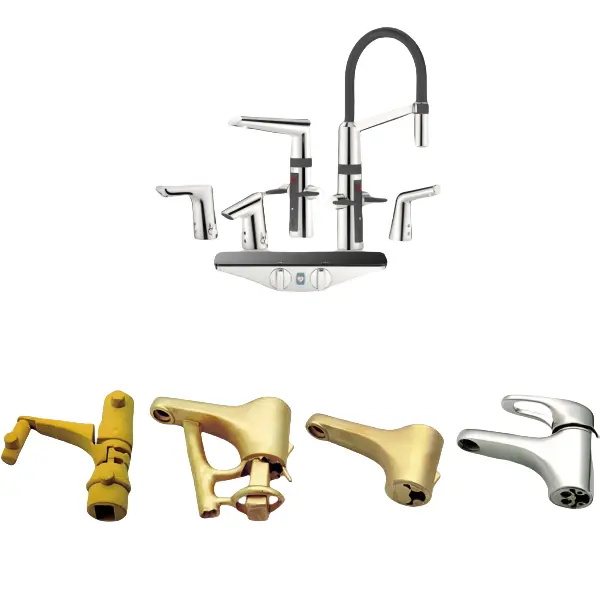
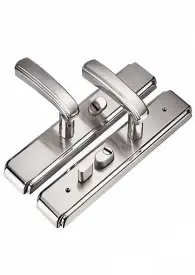
In accordance with European Green Deal goals and local Swiss environmental mandates, modern foundries cannot operate under outdated, high-pollution methods. Sand core shooting machines must integrate seamlessly with dust collection, active organic gas filtration, and smart chemical dosage algorithms. Our R&D team works constantly to introduce cutting-edge green binder technologies that require less thermal energy to cure, minimizing the environmental footprint of heavy manufacturing.
Our premium Cold Box sand core shooting systems feature hermetically sealed enclosure designs. The gassing plate is paired with high-efficiency vacuum pumps that pull excess catalyst amine gas through a neutralization tower filled with acidic solution. This prevents harmful solvent leaks into the factory floor, ensuring compliance with strict European occupational safety standards (SUVA in Switzerland). Additionally, the pneumatic valves utilize soft-closing technology to reduce ambient noise during the high-velocity shooting phase below 75 dB(A).
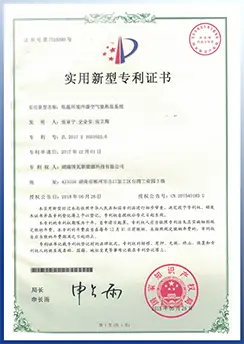
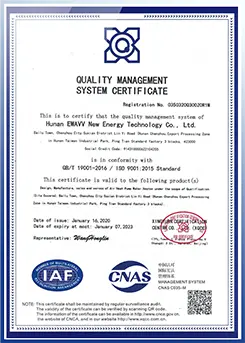
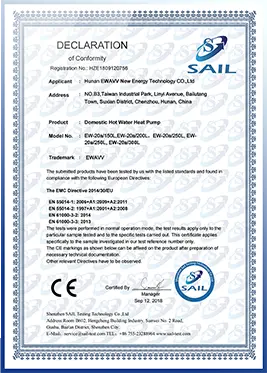
Every machine produced by DZ Intelligent Equipment passes rigorous quality control metrics before dispatch. Our systems conform to CE directives, ISO 9001 quality management, and high mechanical safety ratings.
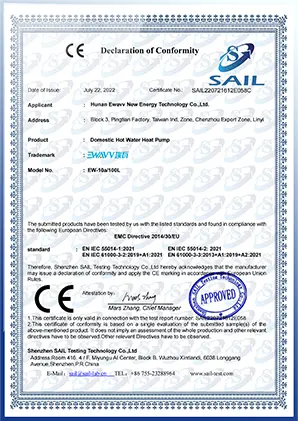
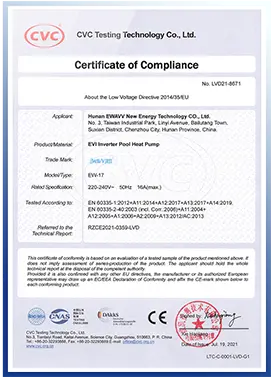
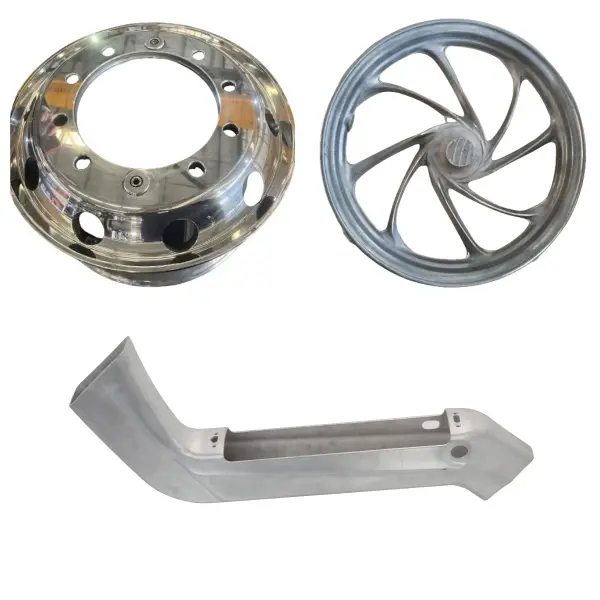
Integrating the core making phase with robotic deburring, high-efficiency smelting, and final metal finishing cells.
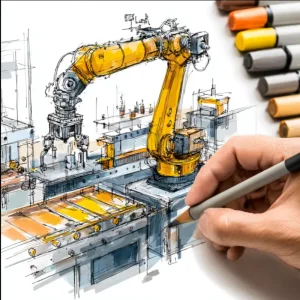
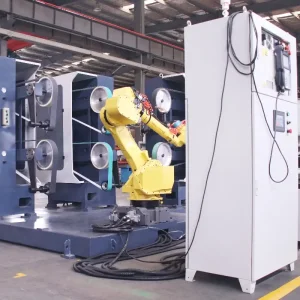
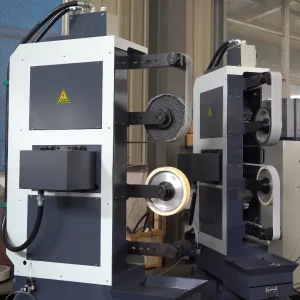
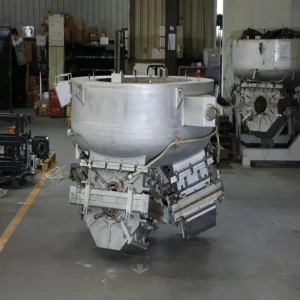
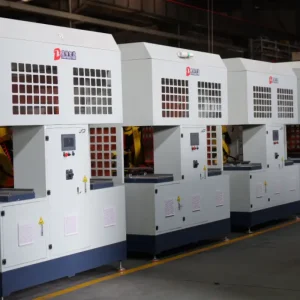
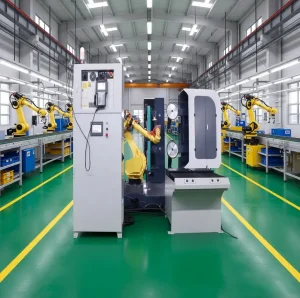
For complete post-processing automation, we export specialized alloy grinders, smelting systems, and heavy tube polishers to Swiss buyers.
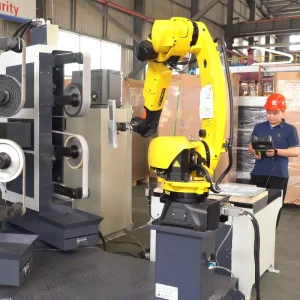
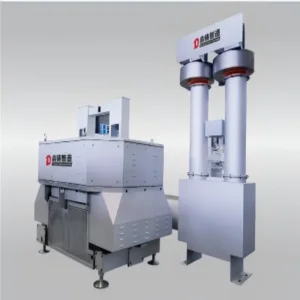
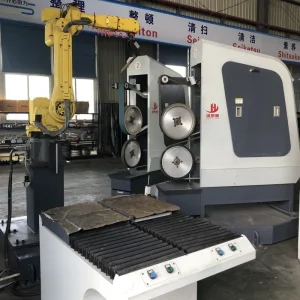
Explore technical details compiled by our senior application engineers on sand core making processes, performance metrics, and operational criteria.
Hot Box core shooting uses a thermosetting binder system mixed with silica sand. The sand is shot into a mold heated to approximately 200°C–250°C. The heat causes the binder to crosslink, forming a hard core within 20–40 seconds. In contrast, Cold Box core shooting uses a polyurethane amine binder system. Once shot into an ambient-temperature mold, catalyst gas (typically dimethylethylamine or triethylamine) is purged through the sand to cure it rapidly, followed by a dry air flush to sweep away lingering chemicals. Cold Box is popular for complex high-production setups since tooling thermal fatigue is avoided.
Traditional shooters use a single, hard blast of air, which can cause sand segregation and core tooling erosion. DZ's modern PLC control structures allow for a multi-phase pressure curve. Phase one introduces a low-pressure fluidization ramp (1.5–2.5 bar) to mobilize the sand within the chamber. Phase two increases the air volume to peak shooting pressure (4.0–6.0 bar) to complete cavity filling. Phase three provides a short compaction hold. This sequence optimizes core compaction and extends core box tooling life by reducing abrasive wear.
Gas blowholes are usually caused by excessive binder addition, poor core ventilation, or insufficient baking of the core. DZ sand core shooting machines utilize high-precision dosing mixers to ensure the lowest effective binder concentration (often under 1.2% by weight). Additionally, during tooling design, we run flow simulation software to place vents optimally. This allows the air to escape during shooting and enables casting gases to exit the mold once molten metal is poured.
Yes, our systems are built on open industrial communication protocols (EtherNET/IP, ProfiNET, Modbus TCP). The core shooter PLC communicates directly with centralized foundry SCADA systems and pick-and-place robots. Once the core is ejected, a robotic arm can extract the core, spray refractory coating, dry it in a secondary oven, and place it into gravity die casting or automated molding lines with zero manual intervention.
DZ machines exported to Geneva, Switzerland, and Western Europe are configured with CE-compliant safety light curtains, pneumatic pressure monitoring safety valves, and enclosed amine exhaust ports. In Cold Box machines, double-chamber sealing gaskets prevent amine leakage. These setups connect to air scrubbers, ensuring emissions fall well within European safety threshold levels (TWA values below 1 ppm).
Collaborate with DZ Intelligent Equipment's engineers to configure core making tooling, automated robotic cells, and metal finishing lines tailored to your production demands.
Query Project Quotation & Design Blueprint Dingzhu auto