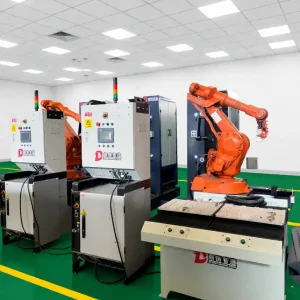
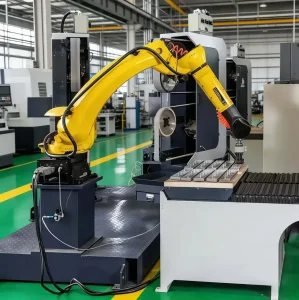
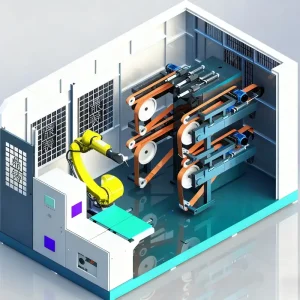
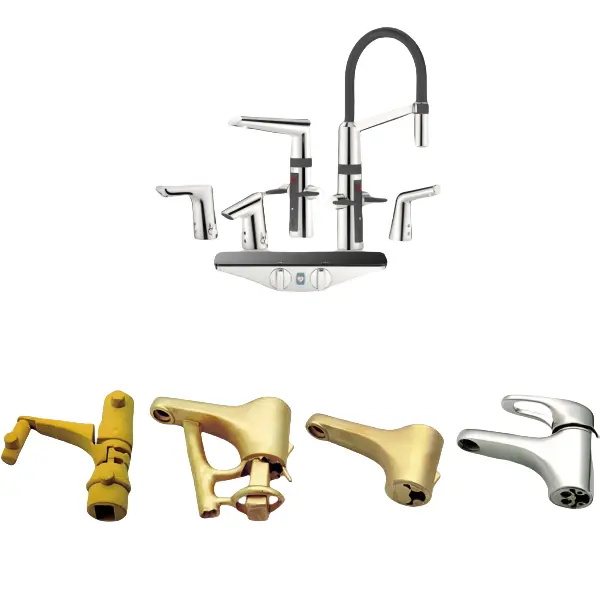
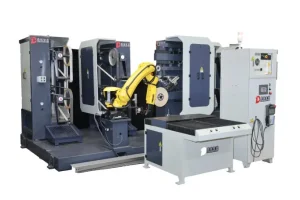
Our flagship selection of heavy-duty casting machinery, robotic deburring cells, and high-precision finishing grinders designed to streamline water meter manufacturing lines.
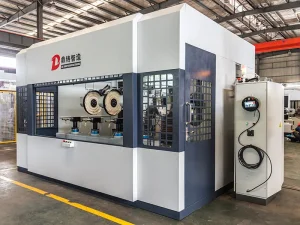
A deep dive into the engineering paradigms, metallurgy challenges, and automation shifts in the global manufacturing of commercial and residential water meters.
The global smart water management market is expanding rapidly due to increasing water stress, structural urbanization, and regulatory compliance. Municipalities and industrial plants worldwide are upgrading traditional mechanical water meters to advanced ultrasonic and electromagnetic models. This shift demands highly sophisticated brass and bronze alloy meter housings. Castings must now support built-in electronic chambers, sensor pockets, and dynamic fluid-dynamic internal profiles designed to minimize head loss.
To meet strict municipal standards (such as AWWA, DIN, and ISO specifications), casting manufacturers require casting systems that guarantee extreme internal density, consistent wall thickness, and defect-free finishes. Porosity and inclusions are unacceptable in high-pressure water meters, as they lead to micro-leaks under hydro-testing, resulting in expensive scrap rates. Advanced casting technologies have transitioned from manual sand molding to automated gravity die casting and Low-Pressure Die Casting (LPDC). These technologies ensure superior microstructure controls, tight tolerance holds, and high productivity.
"The transition to Lead-Free Brass (e.g., bismuth-brass or silicon-brass) significantly complicates the thermal casting window. Modern automated casting machines must implement precise close-loop thermal control to manage higher shrinkage rates and prevent hot tearing."
Selecting the appropriate casting methodology determines the overall unit cost, material yield, and mechanical durability of the water meter housing.
Ideal for medium to high volume runs of standard copper alloys. Gravity die casting uses permanent steel molds to yield high dimensional accuracy and rapid cooling cycles, producing a fine grain structure. Advanced tilt-gravity machines control the pouring angle dynamically to reduce turbulence and gas entrapment.
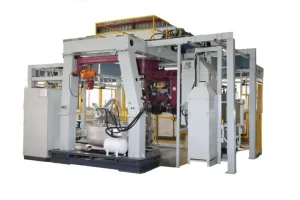
Preferred for large-scale, thin-walled, or complex multi-chamber smart meter housings. Metal is drawn upward from a pressurized holding furnace directly into the die. This bottom-up filling eliminates atmospheric oxidation and turbulent flow, providing unmatched casting integrity and minimizing shrinkage porosity.
Furthermore, automatic core shooting systems are integrated to form precise internal channels and water paths. Using high-grade sand core shooters ensures that internal chambers have clean, burr-free surfaces, eliminating the need for extensive internal machining.
Founded in 2016, Xiamen DingZhu (DZ) Intelligent Equipment Co., Ltd. is a leading innovator in the research, development, and manufacturing of automated equipment for the global foundry industry. We specialize in providing turnkey solutions for plumbing hardware, sanitary fittings, automotive components, valves, and water meter housings.
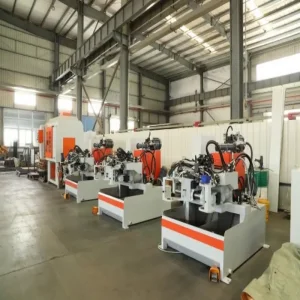
Our comprehensive product catalog features automatic sand core shooting machines, gravity die casting machines, automated Low-Pressure Die Casting (LPDC) systems, and specialized robotic grinding and polishing cells. By blending mechanical engineering expertise with state-of-the-art AI-driven robotics, we assist our clients in transforming traditional high-labor foundries into clean, efficient, and highly automated production facilities.

Our automated casting systems and surface-treatment robotic cells are engineered for demanding manufacturing sectors.
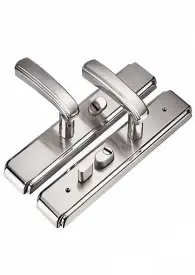
Automated multi-directional cores and gravity casting systems to manufacture complex plumbing shapes and faucet bodies with minimal flash.
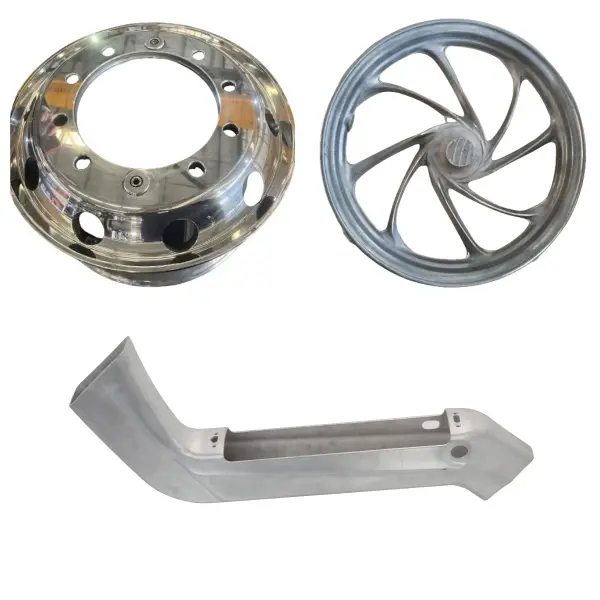
High-speed automated die casting paired with precision grinding cells to achieve flawless, ready-to-plate surface finishes.
Low-pressure systems designed to handle high-density brass and copper castings for heavy-duty automotive engine parts and housings.
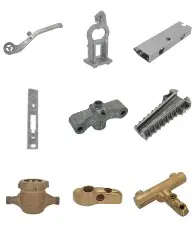
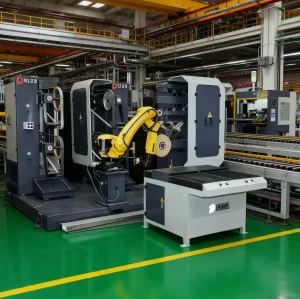
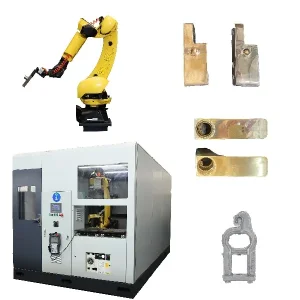
Turnkey surface refinement designs that integrate 3D adaptive path planning to match complex part geometries.
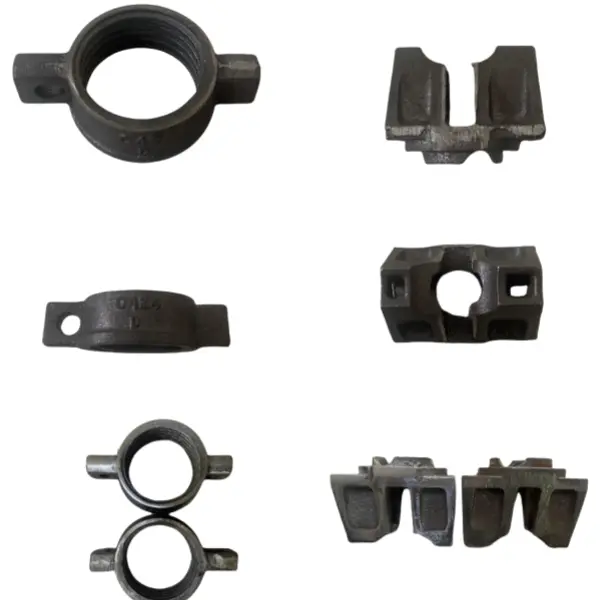
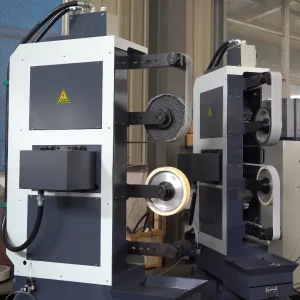
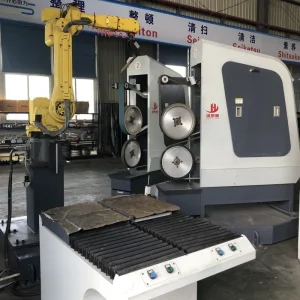
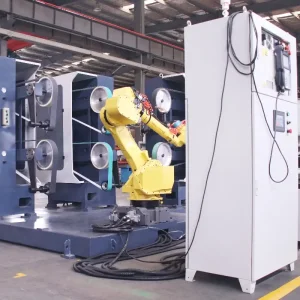
Automated grinding solutions that eliminate manual gating and parting-line removal, improving safety and workplace environments.
Why global water meter brands and high-output foundries trust Xiamen DingZhu for their casting and polishing requirements.
Over 20 years of continuous technical refinement. Our casting systems feature components proven in high-volume production, maintaining failure rates well below the industry standard.
Our core engineering team possesses extensive expertise in metallurgy, casting mold design, and robotic automation, offering comprehensive assistance from machine configuration to process tuning.
Dedicated localized service centers in India, Egypt, Turkey, and Iran. We guarantee rapid technical support, minimizing production downtime for our international clients.
Standardized components stored across key regional centers enable swift delivery of replacement parts. Our robust supply chain reduces parts waiting time, helping to boost maintenance efficiency.
Clean water regulations, including Europe’s Drinking Water Directive and NSF/ANSI 61/372 in North America, restrict lead content in drinking water system components to minimal levels. As lead has historically improved casting fluidity, the industry must adapt to lead-free alternatives like silicon-bismuth brass (e.g., C87850) or copper-silicon alloys. These alternatives behave differently during casting, featuring narrower solidification zones and a susceptibility to hot cracking.
To address these limitations, our casting machines are engineered to execute controlled-cooling rates and dynamic, multi-directional mold pressurization. Precise thermal management prevents hot tearing by controlling solidification patterns from the bottom of the casting upward. Additionally, our automated core shooting systems employ binders that reduce gas evolution during pouring, reducing the risk of internal blowhole formation in lead-free castings.
Modern water meter foundries require integrated, automated production lines. A typical setup begins with an automated core-making cell where high-precision core shooters form the internal sand cores. These cores are automatically transferred to a gravity or low-pressure casting cell.
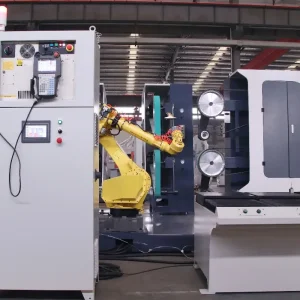
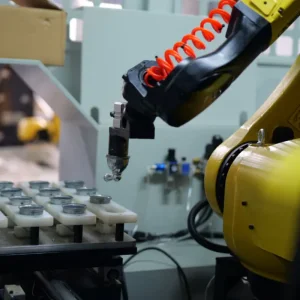
Once cast, the housings proceed to a cooling conveyor and then to automated finishing cells. Here, multi-axis robotic systems perform gate-cutting, deburring, and initial polishing. Replacing manual sorting and grinding with robotic finishing ensures consistent part quality and reduces workplace safety risks.
"Automated casting cells integrated with robotic grinding units significantly lower reject rates while protecting operators from exposure to fine dust and heat."
The next generation of water meter casting lines will focus on digital integration and IoT connectivity. Real-time monitoring of mold temperatures, pouring speeds, and cooling cycles allows casting machines to adjust process parameters dynamically. Predictive maintenance models help track tooling wear, reducing unscheduled down-time. Our engineering roadmap incorporates these smart technologies to support modern, data-driven foundry management.
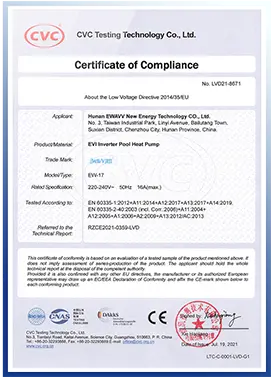
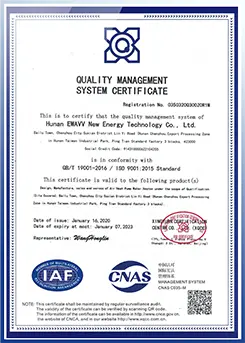
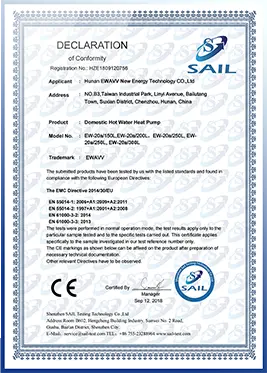
Our manufacturing standards comply with rigorous international testing protocols, ensuring reliable equipment performance.
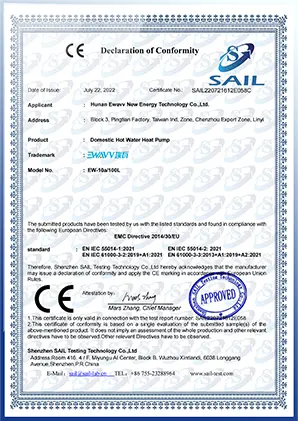
Technical answers concerning copper alloy gravity die casting, low-pressure casting, and automated finishing systems.
Explore our specialized industrial solutions, ranging from multi-axis robotic finishing systems to hydraulic casting equipment.
 Dingzhu auto