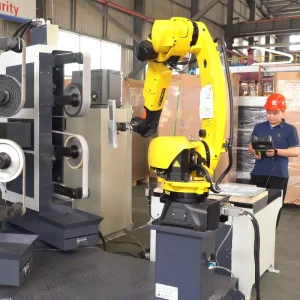
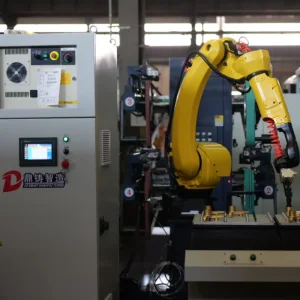
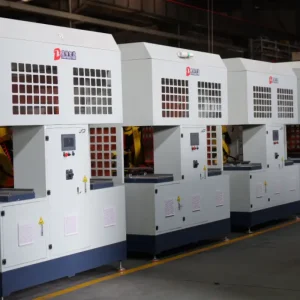
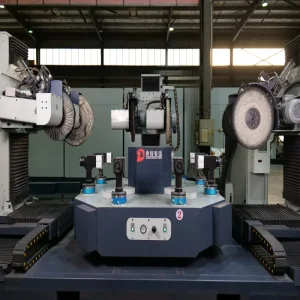
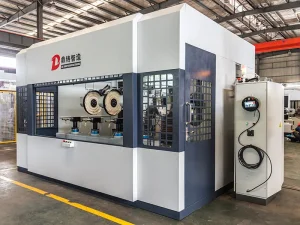
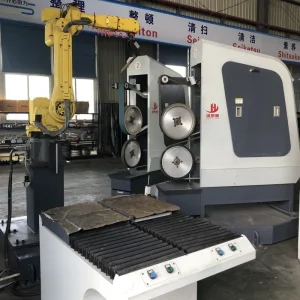
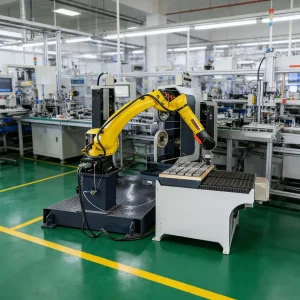
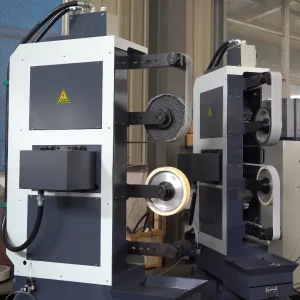
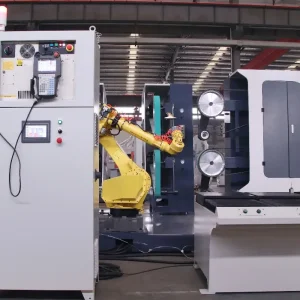
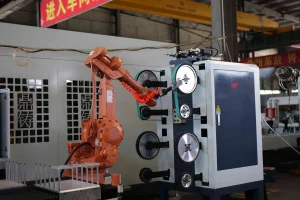
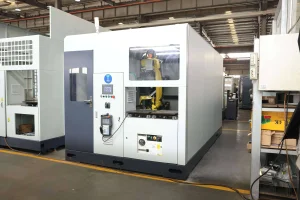
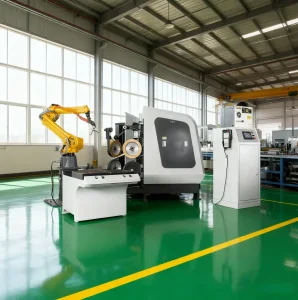
Explore our flagship commercial deployments for high-volume automotive castings, precise sanitary plumbing fixtures, and multi-axis heavy industrial components.

A deep architectural analysis of modern automated surface finishing, force compensation paradigms, and total lifecycle optimization strategies for large-scale enterprise procurements.
The paradigm of industrial surface finishing has shifted from basic mechanical abrasive application to highly intelligent, data-driven adaptive material removal. In historical casting cleaning workflows, manual operators compensated for structural casting deviations via sight and touch. Today, modern industrial production requirements demand precision and throughput speeds that surpass human capability. Our architectural roadmap focuses heavily on embedding Active Force Control (AFC) technologies paired with deep neural networks directly into the multi-axis automated robotic systems.
By leveraging real-time piezoelectric sensor arrays coupled with high-speed digital signal processing (DSP) sub-controllers, our automated grinding cells dynamically calculate structural variations in real time. If a casting exhibits flash material or gate deviations up to ±5mm, the system automatically alters its torque outputs and directional vectors at a sample frequency of 1000Hz, ensuring a completely linear material removal rate without compromising structural integrity or risking sub-surface tool indentation. Over the next decade, our engineering focus encompasses deep-learning visual defect recognition frameworks and cloud-connected Digital Twin simulation matrices. This enables multi-facility operations to seamlessly push real-time parameter refinements across their entire operational fleet, practically removing the need for physical prototype trials.
Different industrial casting environments present wildly divergent metallurgical and mechanical parameters. Our specialized engineering division has developed distinct architectural configurations optimized for specific market verticals:
Designed explicitly for highly aesthetic brass, zinc alloy, and chrome-plated components. Utilizes intelligent adjustable belt systems and fine-grit cloth wheels controlled by a central programmable logic controller (PLC) system to deliver mirror finishes devoid of micro-scratches or surface waviness.
Engineered for high-volume structural castings like battery housings, electric motor cowlings, and aluminum steering knuckles. Focuses on massive cycle-time suppression, deploying heavy-payload mechanical grippers and dual-action milling/grinding spindles to clear heavy gate risers in sub-minute iterations.
Caters to heavy iron, carbon steel, and specialized alloy valve bodies. Employs ultra-rigid tool tables and integrated internal deburring bars to effortlessly smooth parting lines and interior port flashings, guaranteeing seal compliance under high-pressure conditions.
Procuring capital equipment from our state-of-the-art Xiamen assembly matrix offers substantial macro-economic and engineering advantages over Western alternatives. Deeply embedded within China's premier advanced automation cluster, we maintain direct vertical relationships with premium metallurgical suppliers, precision structural casting foundries, and raw material providers. This ecosystem allows us to bypass intermediate logistical loops, resulting in a compressed manufacturing lead time that is up to 45% faster than equivalent European or North American machinery fabricators.
Our Factory 4.0 infrastructure leverages advanced automated production protocols, where heavy structural sub-assemblies are processed via multi-axis CNC machine centers under climate-controlled conditions to minimize micro-stresses within the metal. Furthermore, our centralized supply chain allows us to maintain a stable, predictable cost structure. We pass these efficiency gains directly to global procurement directors via highly competitive wholesale pricing matrices, making massive factory-wide automation modernizations financially feasible and dramatically shortening localized amortization horizons.
When high-volume production facilities evaluate automation systems, looking solely at the initial purchase price is an insufficient metric. A comprehensive financial analysis must consider the full lifecycle cost over a 10-year operational window. Our automated systems are specifically engineered to optimize every stage of this financial curve:
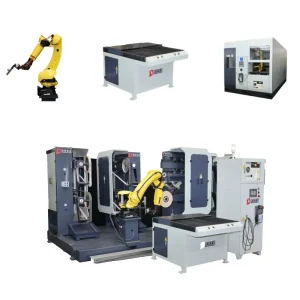
Capital Expenditures (CapEx): Through vertical scaling, our upfront capital cost is balanced with immense value, bundling the robotic arm, precise positioners, active force compliance controllers, custom dust-isolation enclosures, and structural tooling into a comprehensive turnkey package.
Operating Expenses (OpEx): Manual grinding shops face spiraling labor costs, constant worker turnover, high insurance premiums due to dust inhalation hazards, and unpredictable consumable utilization rates. Our automated solution reduces contact wheel and belt consumption by up to 35% through constant velocity tracking, decreases structural rejects to near 0%, and slashes direct floor labor requirements by up to 80%—allowing a single operator to manage a multi-cell robotic cluster simultaneously.
Engineered for continuous heavy operational cycles, backed by localized parts repositories and elite field service engineering teams.

With a comprehensive 20-year technology lineage, our system architectures utilize mature engineering protocols rigorously validated across thousands of real production lines, keeping field breakdown metrics far below typical industry averages.

Our core research and engineering development teams have specialized in heavy casting, automated grinding, and industrial polishing fields for over two decades, delivering comprehensive support from structural cell modeling to post-deployment scaling.

We maintain fully equipped local service and application engineering hubs across major manufacturing markets including India, Egypt, Turkey, and Iran, providing explicit on-site technical response SLA guarantees within 24 hours.

Our overseas service hubs hold comprehensive component inventories covering over 80% of typical high-wear consumables. This setup enables rapid emergency part replacement, effectively cutting logistical delay times by 60%.
Our multi-axis automated solutions are actively deployed across global foundries, consistently delivering exceptional repeatability and surface consistency.
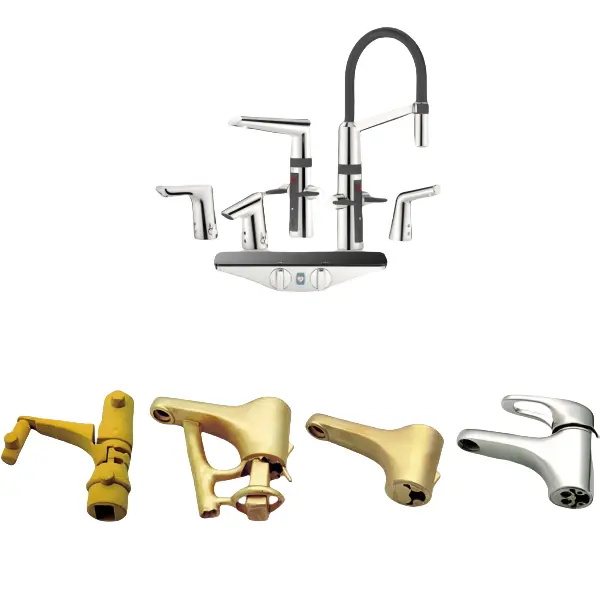
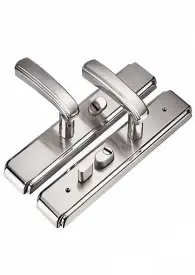
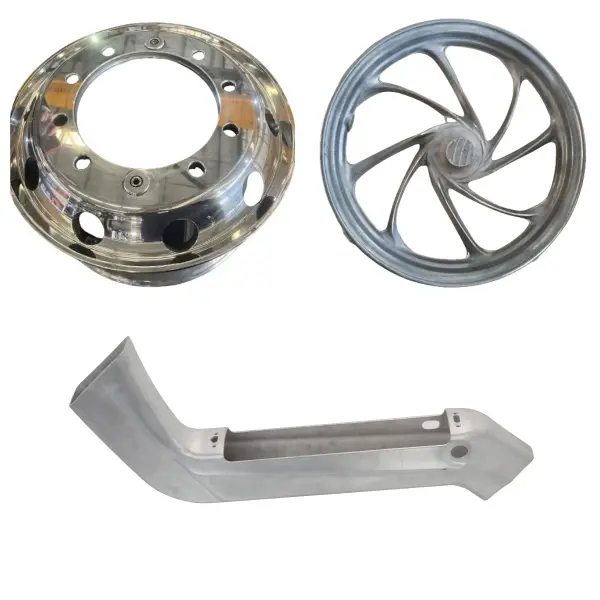
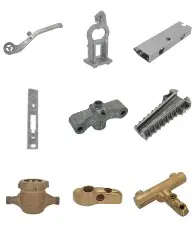
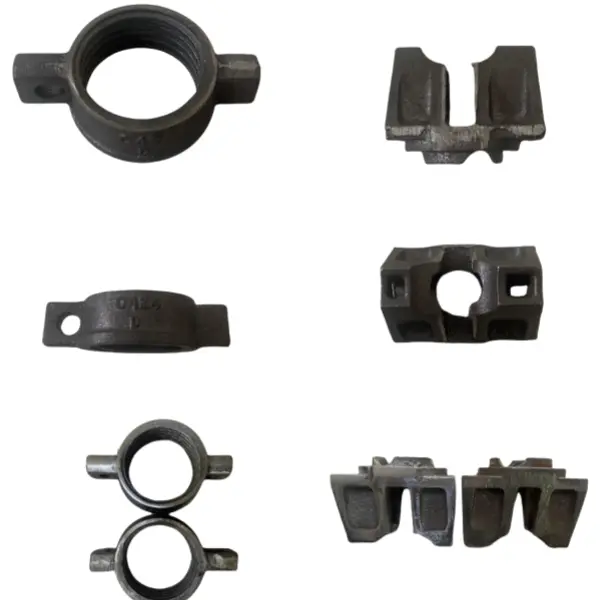
By automating the removal of parting lines, flashing, and casting gates, our systems deliver consistent surface finishes across massive production runs. This transition shields human operators from dangerous, dust-heavy environments while driving down overall part cycle times.
Cross-industry deployments demonstrate up to a 300% increase in output velocity compared to traditional manual grinding lines, while extending belt life through controlled abrasive force application.
Our manufacturing and assembly infrastructures conform rigidly to strict global safety, electrical, and quality criteria.
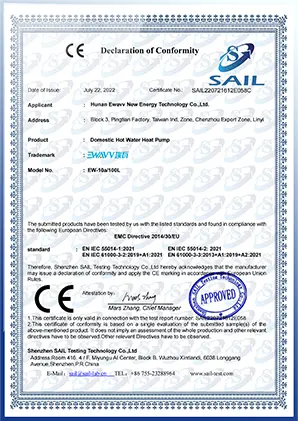
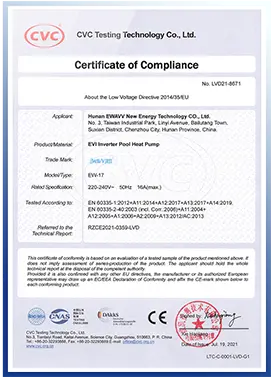
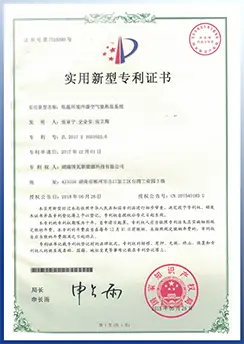
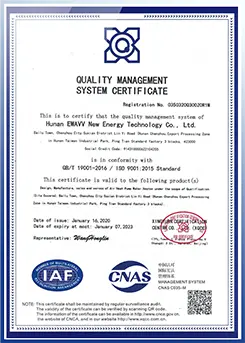
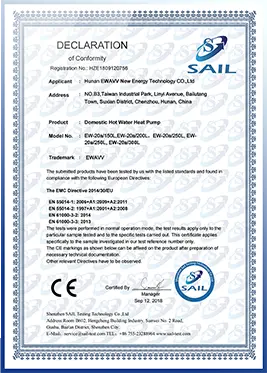
Ensuring complete operational compliance with international safety and performance frameworks across overseas manufacturing locations.
Deploying major robotic systems globally requires strict alignment with localized safety and engineering frameworks. Every system built at Xiamen DingZhu leaves our facility with comprehensive certification, including complete compliance with the European Machinery Directive 2006/42/EC and corresponding CE markings. For North American environments, our electrical panels can be configured to comply with NFPA 79 standards, ensuring seamless integration with local plant safety inspections.
Beyond regional machine certifications, managing dust hazards is critical in modern foundry settings. When working with materials like aluminum, copper, or magnesium alloys, explosive particulate accumulation poses a significant hazard. Our automated grinding workstations feature heavy-duty dust collection ducts and fully isolated negative-pressure enclosures. These systems integrate smoothly with localized industrial wet scrubbers, keeping workspace air quality well within OSHA and regional environmental mandates. Additionally, our field hubs in India, Egypt, Turkey, and Iran carry a deep inventory of standardized mechanical consumables. This localization ensures field engineering teams can rapidly arrive on-site, providing long-term reliability and maximizing plant uptime.
Comprehensive, expert-level answers to key mechanical, control, and integration questions frequently raised by global procurement and plant managers.
Review our secondary portfolio of high-efficiency multi-functional systems configured for mass component production lines.
 Dingzhu auto