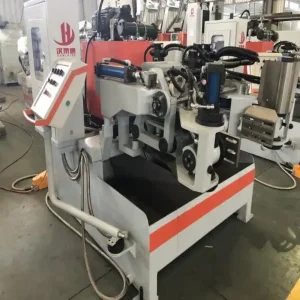
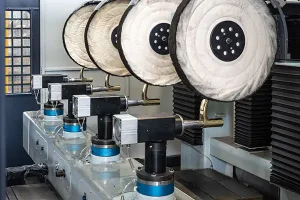
Aerospace components fabricated from high-strength aluminum alloys, such as 7075-T6, 2024-T3, and 6061-T6, dictate strict demands on mechanical processing. These materials are selected for their optimal strength-to-weight ratios and crack propagation resistance. However, their physical characteristics pose distinct challenges during surface grinding. Aluminum alloys exhibit a low melting point, high thermal expansion coefficients, and a tendency to gall or load the abrasive tool face.
In aerospace applications, microstructural variations caused by excessive thermal loading during grinding are intolerable. Subsurface damage, tensile residual stresses, and micro-cracking can jeopardize the structural integrity of structural elements. Our CNC grinding machinery utilizes advanced force-feedback control loops and specific cooling dynamics to circumvent these risks, ensuring surface integrity meets international aerospace specifications.
Machining complex profiles such as turbine fan blades, wing spars, and bulkhead frames requires multi-axis interpolation. Standard abrasive tools generate high friction, causing thermal deformation. To prevent this, our systems utilize high-speed, variable-frequency spindles combined with automated toolpath generation to optimize chip evacuation and suppress thermal buildup.
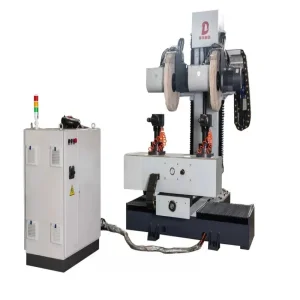
Implementing CNC grinding machines with high stiffness and dynamic stability dampens harmonic vibration during material removal. Precise alignment, thermal compensation systems, and closed-loop position monitoring ensure tolerances remain within the micrometer range. This setup is crucial when processing complex aerospace parts that require repeatable accuracy across large production runs.
With 20 years of technology precipitation, our systems adopt field-proven configurations. Equipment failure rates remain significantly below the industry average through rigorous engineering validation.
Our core engineering team has focused on casting, grinding, and polishing systems for over two decades. We provide end-to-end technical consultations, application engineering, and process optimizations.
Localized service branches in India, Egypt, Turkey, Iran, and other countries deliver immediate support. We guarantee on-site technical response within 24 hours of requests.
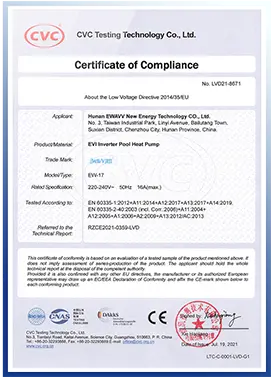
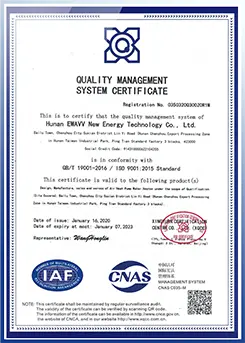
Our manufacturing complex in China leverages industrial clusters to secure components, raw materials, and precision assemblies cost-effectively. Xiamen DingZhu (DZ) Intelligent Equipment Co., Ltd, founded in 2016, develops custom production systems. We manage the design, fabrication, assembly, and testing stages within our ISO 9001-certified facilities.
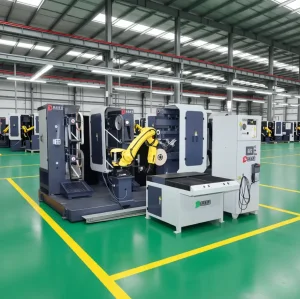
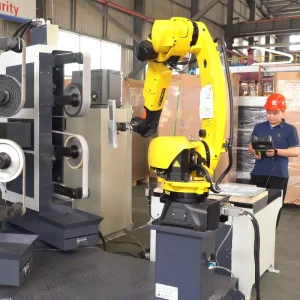
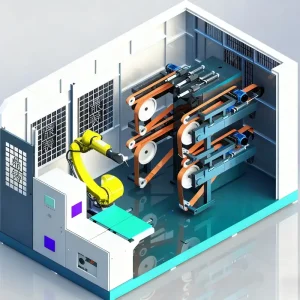
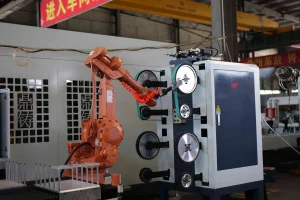
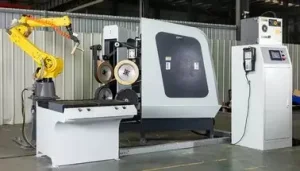
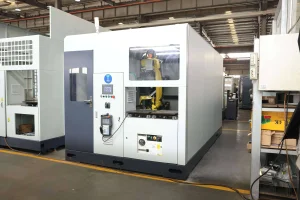
Integrating downstream machining processes with upstream automatic foundry technologies allows us to offer comprehensive plant solutions. From gravity die casting systems and low-pressure die casting (LPDC) units to multi-axis robotic grinding cells, we provide complete, integrated workflows. This cohesion shortens delivery timelines and lowers production costs for global partners.
Xiamen DingZhu (DZ) Intelligent Equipment Co., Ltd was founded in 2016. We specialize in the research, development, and manufacture of automated equipment for the foundry and finishing industries, serving sectors such as plumbing hardware, sanitary ware, automotive spares, valves, and aerospace engineering.
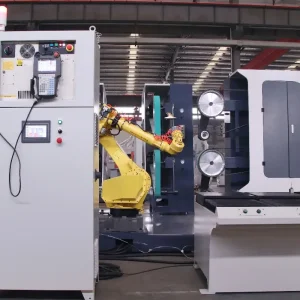
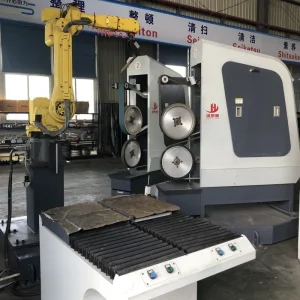
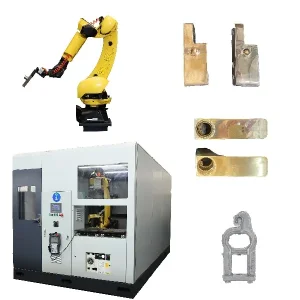
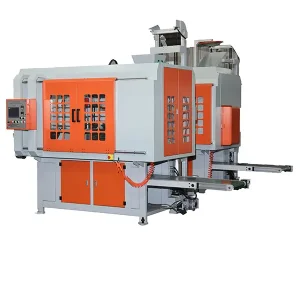
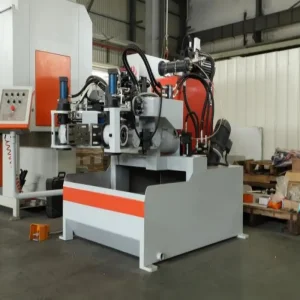
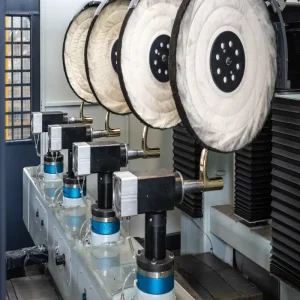
Our comprehensive production catalog includes automatic core shooting machines, gravity die casting machines, automated Low Pressure Die Casting machines (LPDC), and robotic cell grinding and polishing machines. We enable foundries and machining facilities worldwide to improve productivity, ensure dimensional accuracy, and reduce manual labor dependency.

Global aerospace manufacturers require machinery that conforms to distinct local industrial standards. Our CNC grinding systems are built to meet CE and international safety standards, utilizing localized electrical configurations (such as specific voltage requirements, safety interlocks, and dust extraction systems to mitigate aluminum dust explosion hazards). Our safety systems feature ATEX-compliant explosion protection measures to manage fine aluminum dust safely.
Additionally, our global spare parts supply chain mitigates downtime. Standard parts warehouses established at our overseas service outlets cover over 80% of wear parts. This system enables rapid delivery for critical spares, reducing emergency wait times and improving field maintenance efficiency by up to 60%.
Our automation systems process casting and forging profiles across multiple industrial sectors, ensuring consistent dimensional results.
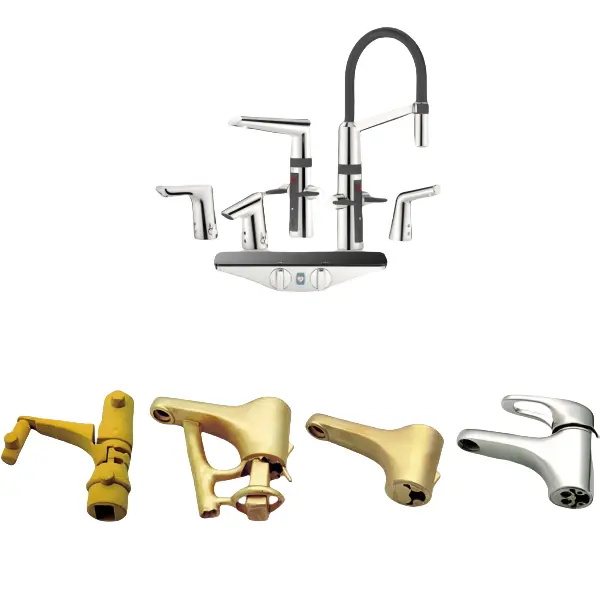
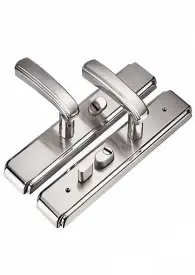
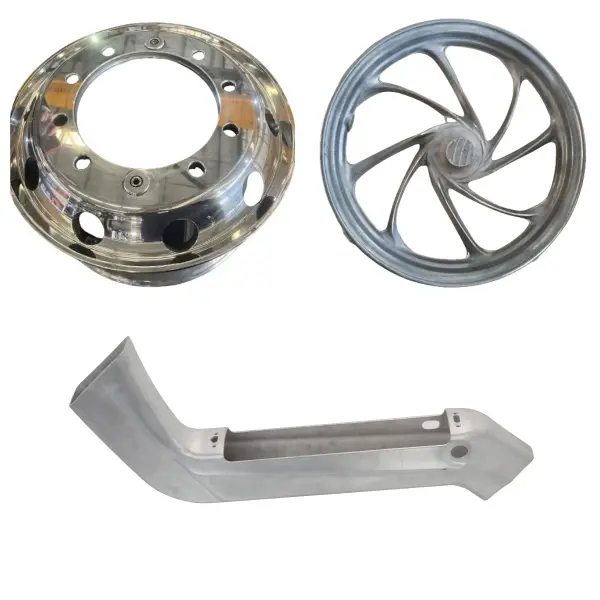
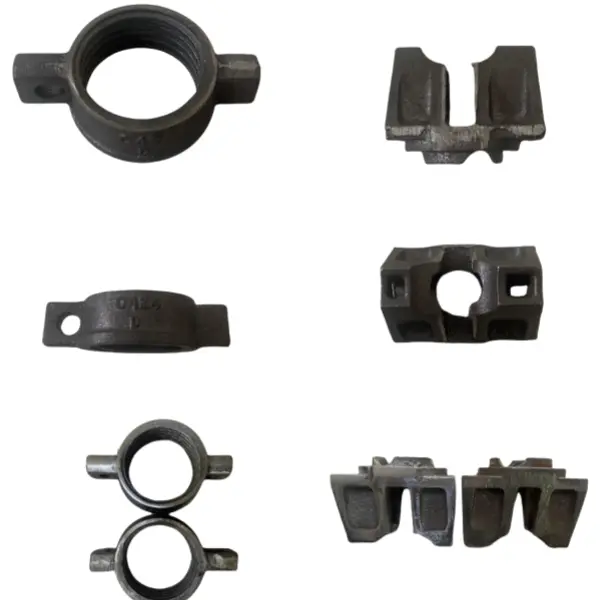





The aerospace finishing sector is transitioning toward higher automation, real-time quality assurance, and closed-loop process control. Traditional post-process inspections are being replaced by in-process metrology, where optical and touch-probe sensors measure component dimensions during the grinding cycle. This allows the CNC system to adjust offset parameters dynamically, minimizing out-of-tolerance parts.
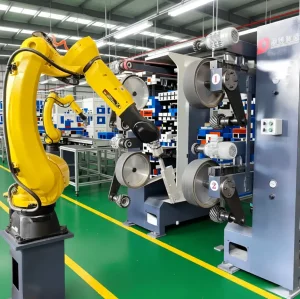
Furthermore, green manufacturing initiatives have increased the demand for energy-efficient dust collection and mist filtration systems. Our research focuses on integrating smart sensory nodes within robotic grinding cells. This step allows predictive maintenance models to assess abrasive belt wear, helping operators avoid thermal damage on sensitive aluminum alloy workpieces.
Let us optimize your production efficiency with exclusive equipment solutions to help you achieve the dual targets of quality and operational efficiency. Contact our engineering team for a system configuration layout and price quote.
Query Project Quotation Dingzhu auto