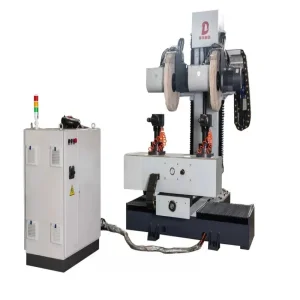
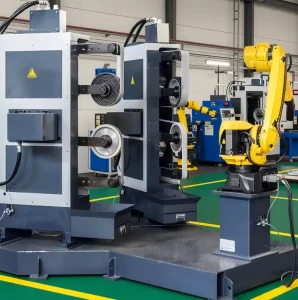
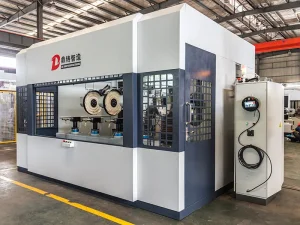
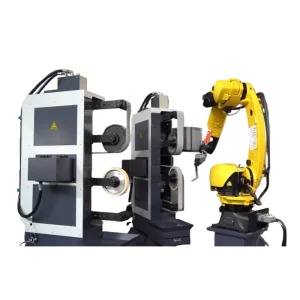
Explore our flagship brass valve casting, core shooting, and robotic finishing machinery optimized for continuous industrial duty.

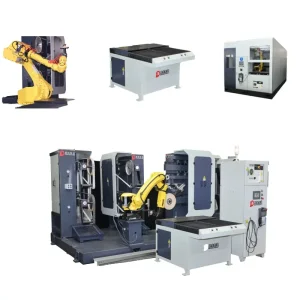
Analyzing market shifts, regulatory drivers, and technological imperatives in modern fluid control casting machinery.
The global brass valve manufacturing market is undergoing a profound paradigm shift driven by stringent environmental standards, escalating labor costs, and an unyielding demand for leak-free, high-pressure fluid control components. Brass valves—ranging from domestic plumbing ball valves and gate valves to industrial solenoid, HVAC balancing, and gas distribution valves—require metallurgy with zero internal porosity, exceptional dimensional tolerance, and superior surface finishing. Machinery designed for wholesale brass valve casting must deliver absolute repeat precision while supporting high-throughput production cycles.
Industry Whitepaper Insight: Global transition toward lead-free brass alloys (such as C27453, DZR, and CuZn21Si3P) requires liquid-metal handling systems with precise thermal management to prevent alloy segregation, high cooling shrinkage cracking, and volatilization of volatile alloying elements.
Foundries worldwide are retiring legacy manual sand casting setups in favor of highly automated Gravity Die Casting (GDC) and Low Pressure Die Casting (LPDC) cells. By introducing programmable tilt-pour gravity casting and automated sand core shooting systems, modern exporters enable brass valve manufacturers to achieve metallurgical density exceeding 99.8%, drastically lowering scrap rates from gas inclusion and micro-porosity.
Mandates such as NSF/ANSI 61 and EU Drinking Water Directive enforce low-lead or lead-free brass formulations. Casting machines must operate at higher temperatures without accelerating die wear or thermal fatigue.
High-volume valve exporters demand single-station and multi-station casting cells capable of yield rates exceeding 120 casting cycles per hour with automated casting extraction and riser cutting.
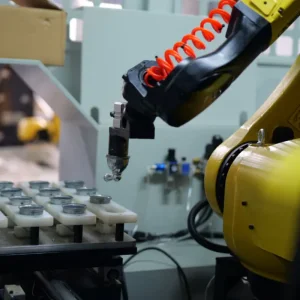
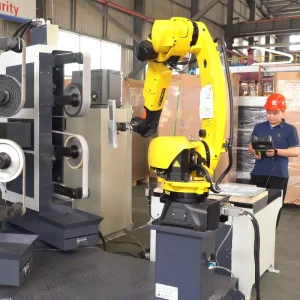
Integration of robotic deburring, fettling, and CNC grinding eliminates manual grinding hazards while providing consistent sealing surfaces for valve seats and thread tapping operations.
Two Decades of Foundry Machinery Innovation, Global Technical Leadership, and Intelligent Equipment Mastery
Founded in 2016 and rooted in over 20 years of continuous technological precipitation by its core engineering team, Xiamen DingZhu (DZ) Intelligent Equipment Co., Ltd stands as a premier global manufacturer and exporter of automated foundry equipment. We specialize in research, development, and turnkey manufacturing of intelligent machines engineered explicitly for plumbing hardware, sanitary fittings, automotive spares, and high-pressure brass valves.
Our comprehensive portfolio covers the entire foundry production chain: from high-precision automatic sand core shooting machines and servo-driven gravity die casting machines to advanced Low Pressure Die Casting (LPDC) systems and fully integrated robotic grinding and polishing cells.
Selecting the optimal casting methodology based on valve body geometry, alloy fluid mechanics, and volumetric production targets.
| Casting Technology | Ideal Brass Alloys | Typical Valve Applications | Metallurgical Density | Production Capacity |
|---|---|---|---|---|
| Servo Tilting Gravity Die Casting (GDC) | CuZn39Pb3, DZR Brass, C27453 | Standard Ball Valves, Bibcocks, Gate Valves (DN15 - DN50) | 99.2% - 99.6% | High (80-140 molds/hr per cell) |
| Low Pressure Die Casting (LPDC) | Lead-Free Brass, Silicon Bronze, CuZn15As | Complex Sanitary Valves, Thermostatic Mixer Valves | 99.8% - 99.9% | Medium-High (Continuous Dosing) |
| Automatic Shell Core Shooting | Phenolic Resin Sand Cores | Intricate Internal Waterways, Multi-port Valve Chambers | N/A (Core Accuracy < 0.05mm) | Synchronized with Casting Cycle |
| Robotic Grinding & Polishing Cell | All Cast Brass / Bronze Alloys | Exposed Valve Bodies, Chrome-Plated Sanitary Valves | Surface Finish Ra < 0.2 µm | Continuous 24/7 Robotic Operation |
Gas porosity and shrinkage cavities represent the primary causes of pressure test failures in brass valve manufacturing. DingZhu’s casting machines incorporate hydraulic tilting control governed by multi-axis servo algorithms. By precisely modulating the tilt speed during pouring, liquid brass enters the metallic mold cavity under laminar flow conditions, effectively preventing air entrapment and mold erosion. Furthermore, integrated mold temperature regulation (water/oil cooling lines within the die) ensures directional solidification from the outer valve wall inward toward the risers.
Why Tier-1 valve manufacturers and international exporters partner with Xiamen DingZhu for turnkey foundry automation.
Backed by over 20 years of technology precipitation, our equipment adopts market-verified technical solutions. Our field-proven systems achieve an operational failure rate significantly lower than the global foundry industry average.
Our core engineering team focuses exclusively on casting, deburring, grinding, and polishing. We deliver full-lifecycle engineering support, from initial plant layout design and mold selection to advanced metallurgical process upgrading.
We have established dedicated localized service hubs in key manufacturing regions, including India, Egypt, Turkey, Iran, and Southeast Asia, guaranteeing rapid on-site technician dispatch within 24 hours.
Standardized parts warehouses situated across our overseas hubs cover over 80% of routine wear items, enabling zero-waiting emergency replacements and boosting overall plant maintenance efficiency by 60%.
Tailored brass casting solutions implemented across global manufacturing hubs.
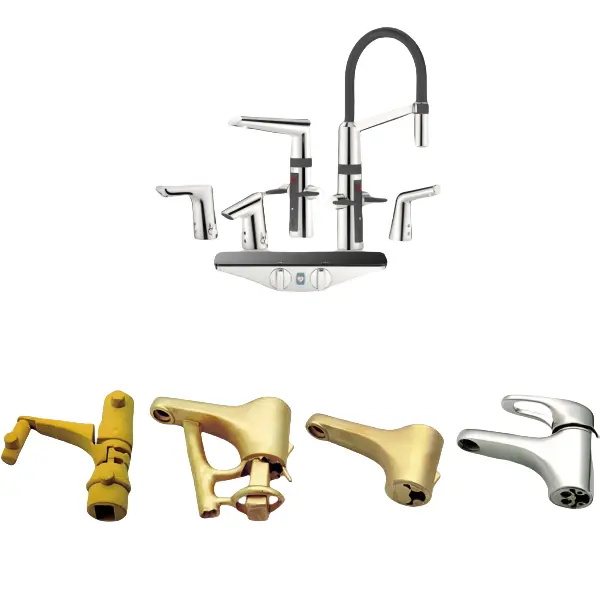
Designed for complex internal waterways of bathroom mixers, kitchen faucets, and thermostatic valves. Integrates smooth core extraction to minimize internal flow resistance and prevent water pressure drops.
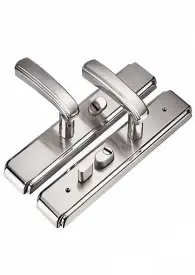
High-precision gravity die casting for ornamental brass architectural hardware, lock bodies, and heavy-duty hinges requiring high tensile strength and pristine surface polish readiness.
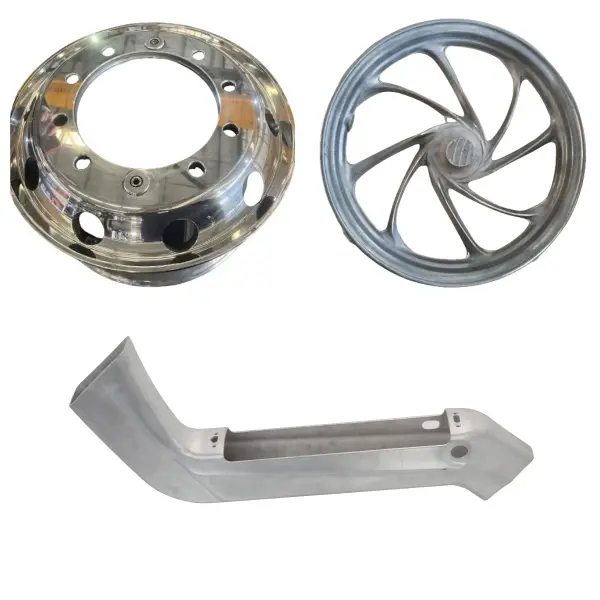
Automated casting systems dedicated to heavy-vehicle braking valves, fuel line fittings, and sensor housings, engineered to comply with ISO/TS 16949 automotive standards.
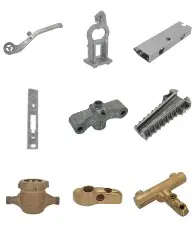
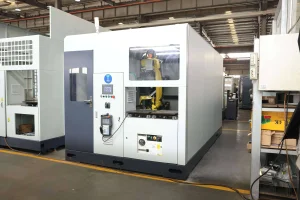
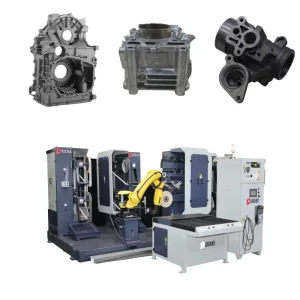
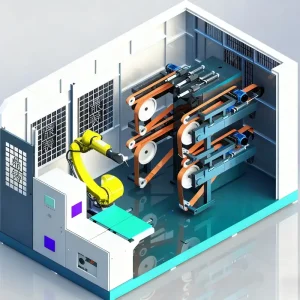
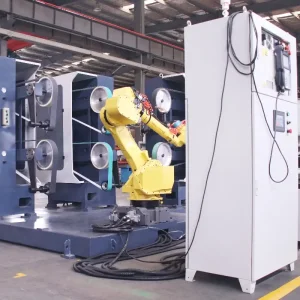
Complete post-casting cell solution incorporating robotic flash trimming, riser sawing, and dynamic grinding to prepare brass valve housings for electroplating and final assembly.
Integrating AI-driven thermal analysis, force-sensing robotic finishing, and IIoT monitoring into brass valve production lines.
As foundries transition toward digital manufacturing, Xiamen DingZhu is pioneering the integration of Industry 4.0 architecture into brass casting equipment. Future-ready foundries utilize machine learning algorithms to analyze casting parameters in real-time, drastically mitigating scrap rates and optimizing energy consumption.
Infrared camera arrays monitor die face temperatures prior to pouring. Dynamic cooling channel adjustment prevents hot spots, suppressing hot tearing defects in heavy brass valve bodies.
Six-axis robotic arms equipped with active compliance force sensors automatically adjust abrasive pressure based on casting flash variance, ensuring precise wall thickness without over-grinding.
Vibration and hydraulic pressure sensors track furnace pumps, core shooter blow heads, and die clamping units, triggering automated maintenance alerts before costly unscheduled downtime occurs.
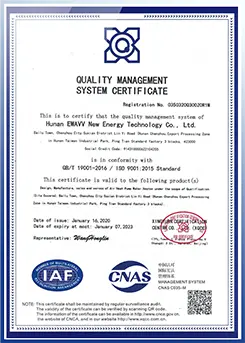
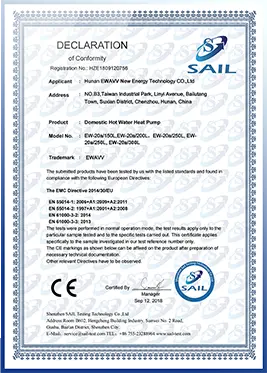
Rigorous quality controls certified under global industrial standards.
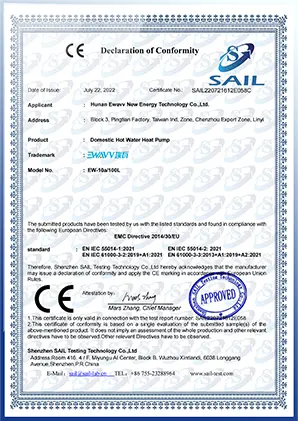
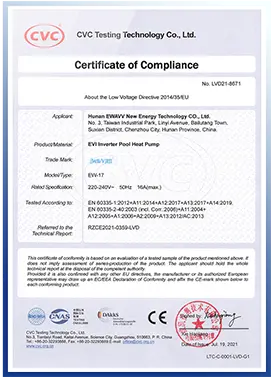
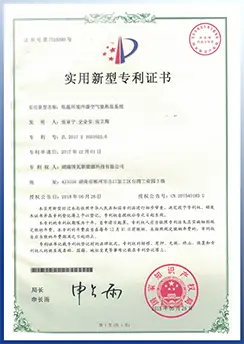
In-depth technical answers for procurement managers, foundry engineers, and valve exporting executives.
Complementary automated grinding, deburring, and CNC polishing solutions for complete foundry line integration.
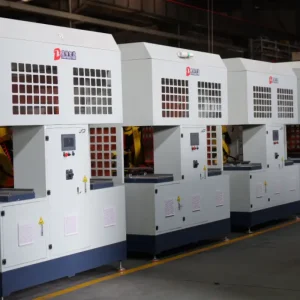
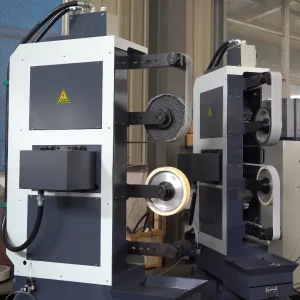
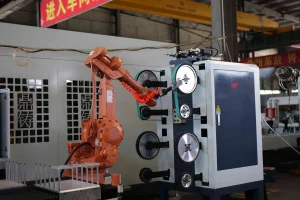
Let us optimize your production efficiency with exclusive equipment solutions to help you seize the dual high ground of quality and efficiency in global competition. Request a tailored plant proposal or equipment quote now.
Query Project Quotation Dingzhu auto