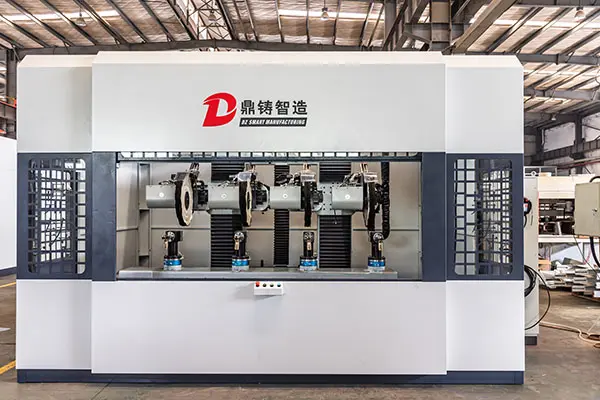
Explore our top-tier manufacturing systems designed for sub-micron surface processing and automated component finishing.
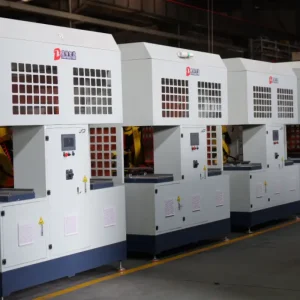
China Automatic CNC High-Precision Grinding Machine for Crankshaft and Valve Applications with Core Motor & Bearing Components Manufacturers, Exporter
Learn More →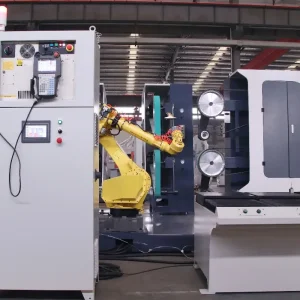
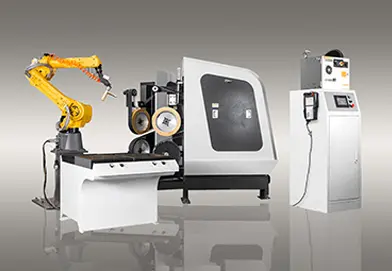
China Flexible Automatic Robotic Grinding Machine with Motor for Deburring and Polishing Intelligent Industrial Grinding Robot Cell Factories, Exporters
Learn More →
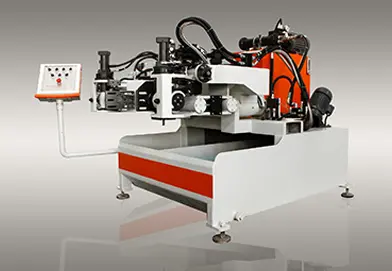
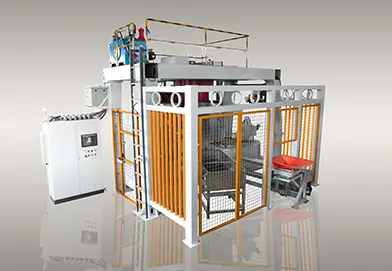
China Fully Automatic Brass Low-pressure Casting Machine with Double-head and Single-head Options Manufacturers, Exporter
Learn More →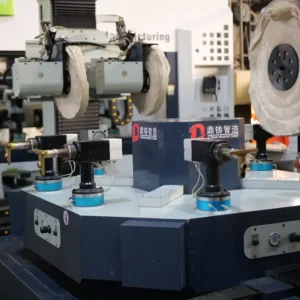
China Professional Polishing Machine for Automotive Parts and Stainless Steel Castings Factories, Exporter
Learn More →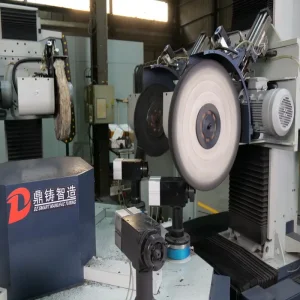
Wholesale Rotate the Polishing Machine Suitable for Various Material Polishing Factories, Service
Learn More →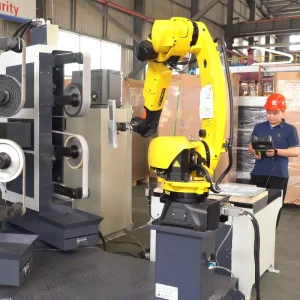
China Robotic Polishing Machine for Various Metal Products - Efficient Surface Finishing Solution Factories, Service
Learn More →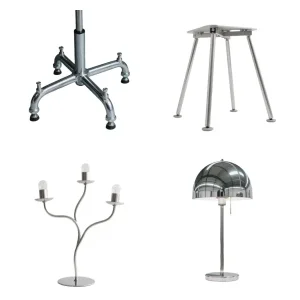
China Multifunctional Metal Furniture Grinder and Polisher Machine Dust Free Finishing Equipment Manufacturers, Exporter
Learn More →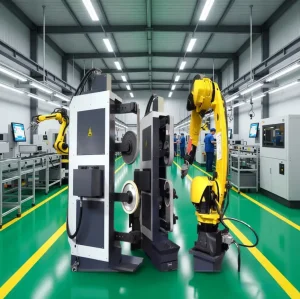
China Automatic Robotic Polishing Machine for Metal Parts Factories, Exporters
Learn More →An in-depth technical analysis of orthopedic implant manufacturing, tribological standards, and robotic automation methods.
In modern orthopedics, the performance and clinical lifespan of joint replacements—such as hip femoral heads, acetabular cups, and knee femoral condyles—are fundamentally determined by the surface finish of the articulating bearing surfaces. The primary goal of ultra-precision polishing is to minimize the friction coefficient and reduce wear debris, which is the leading cause of aseptic loosening and osteolysis.
Medical standards dictate that articulating surfaces composed of Cobalt-Chromium-Molybdenum (CoCrMo), Titanium Alloys (Ti6Al4V), or specialized Ceramics achieve a surface roughness parameter of Ra ≤ 0.01 μm to 0.02 μm. Achieving this finish without compromising the complex geometric form is a significant challenge. Mechanical polishing must remove micro-irregularities while avoiding sub-surface damage (SSD), localized phase transformations, and thermal defects that can jeopardize the implant's structural integrity.
Key Insight: Achieving a mirror finish on medical implants is not merely aesthetic. A reduction in Ra from 0.05 μm to 0.01 μm can decrease the generation of ultra-high-molecular-weight polyethylene (UHMWPE) wear debris by up to 80%, substantially extending the implant's operating life to 25+ years.
Historically, the medical device sector relied on manual and semi-automated polishing methods. However, human operators cannot achieve the consistent execution required for safety-critical medical devices. Modern manufacturing has shifted toward robotic polishing cells integrated with active force control.
These systems utilize 6-axis industrial robots combined with dynamic force/torque sensors. This technology maintains a constant contact pressure against the abrasive wheel, regardless of the implant's complex, asymmetrical geometry. Combined with multi-stage abrasive belts, compound dispensing units, and precision path-planning software, automated cells ensure high repeatability (within ±0.02 mm) and consistent material removal rates.
China's manufacturing sector has transitioned from volume production to advanced precision engineering. Domestic factories now integrate R&D, tooling, casting, machining, and surface polishing into a unified workflow.
By localizing the supply chain—from casting raw Ti6Al4V blanks to final robotic polishing and cleanroom packaging—Chinese manufacturers offer significant cost advantages while meeting strict international quality metrics. Investment in precision multi-axis CNC machines and custom robotic software allows these facilities to compete globally, supplying components that meet ISO 13485 and FDA regulatory criteria.
Leading Developer of Automated Intelligent Industrial Equipment
Xiamen DingZhu (DZ) Intelligent Equipment Co., Ltd was founded in 2016. We are principally engaged in the research, development, and manufacture of automatic equipment for the foundry and surface-finishing industries, serving plumbing hardware, sanitary fittings, automotive spares, valves, and high-precision medical implants.
We provide comprehensive manufacturing solutions, including automatic core shooting machines, gravity die casting machines, automatic Low Pressure Die Casting machines (LPDC), and specialized robotic cell grinding and polishing machines. Our equipment is engineered to optimize cycle times, ensure manufacturing consistency, and reduce labor costs across various industrial applications.


High-efficiency systems designed for automated casting, grinding, and surface finish processing.
Why leading global medical device OEMs partner with Chinese suppliers for precision grinding equipment.
Unlike fragmented supply chains, Chinese hubs consolidate raw material sourcing (such as medical-grade titanium and cobalt alloys), casting, 5-axis CNC machining, electropolishing, cleanroom processing, and validation testing within close geographical proximity. This concentration shortens product development lead times and reduces transport-related risks.
Chinese equipment manufacturers customize automated polishing paths to match proprietary implant designs. Using CAM integration and off-line path simulation, facilities can quickly scale production from prototyping batches to high-volume commercial manufacturing run rates, maintaining tight tolerances throughout.
Top-tier Chinese suppliers maintain cleanroom facilities (ISO Class 7/Class 8) and adhere to quality management standards under ISO 13485. This ensures that every polished implant meets or exceeds international ASTM and ISO standards for biometrical implants, simplifying downstream FDA 510(k) or CE mark validation steps.
Tailored surface finishing methodologies for diverse anatomical implants.
The femoral head demands sub-micron sphericity and a flawless mirror finish. Automated processing involves multi-stage orbital finishing heads paired with fine diamond abrasive pastes. For the femoral stem, the robotic system applies a dual-surface strategy: aggressive grinding to clear parting lines on the forged stem, followed by satin finishing on the proximal area to promote osseointegration, while the distal taper is polished to prevent localized stress concentration.
The femoral condyle features complex multi-radius geometries. Traditional manual polishing can distort these critical profiles, altering kinematic performance. Robotic systems with active compliance units dynamically track the condyle's curved contours, ensuring uniform material removal and maintaining the original design geometry while achieving the target Ra surface value.
Bone plates, pedicle screws, and spinal cages present challenging features, including counter-bored holes, internal threads, and complex micro-textures. Solutions integrate automated abrasive flow machining (AFM) with robotic deburring to process hard-to-reach surfaces, eliminating burrs and sharp edges that could cause soft-tissue irritation.
Leveraging two decades of engineering research to deliver reliable industrial automation equipment.

With 20 years of technology precipitation, our equipment utilizes mature technical solutions verified by the market, keeping failure rates below the industry average.

Our core engineering team has focused on casting, grinding, and polishing for over 20 years, providing full-cycle support from selection through process upgrading.

We operate localized service centers in India, Egypt, Turkey, Iran, and other countries, offering a commitment to on-site support response within 24 hours.

Standardized parts warehouses at our overseas outlets cover over 80% of wearing parts, enabling rapid replacement and improving maintenance efficiency by up to 60%.
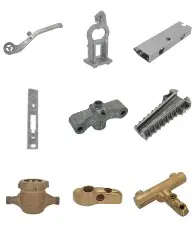
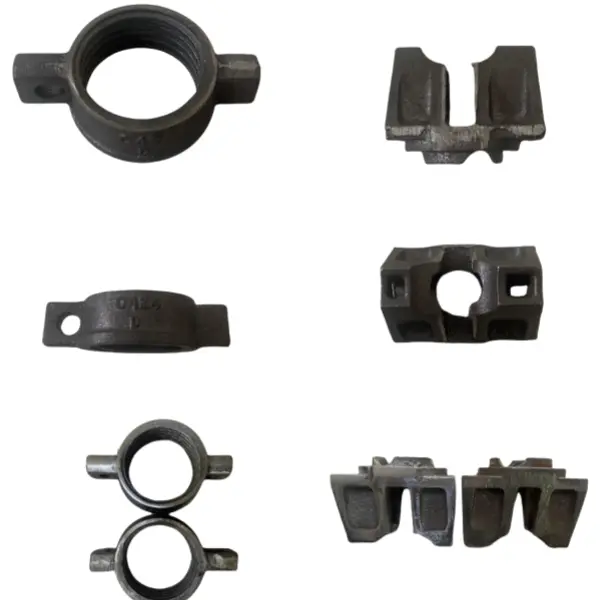
From sanitary fittings to automotive parts and complex precision castings.
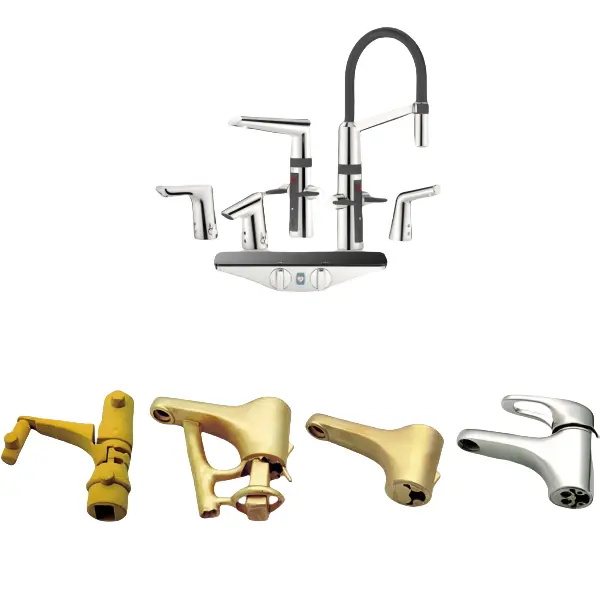
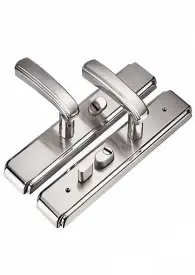
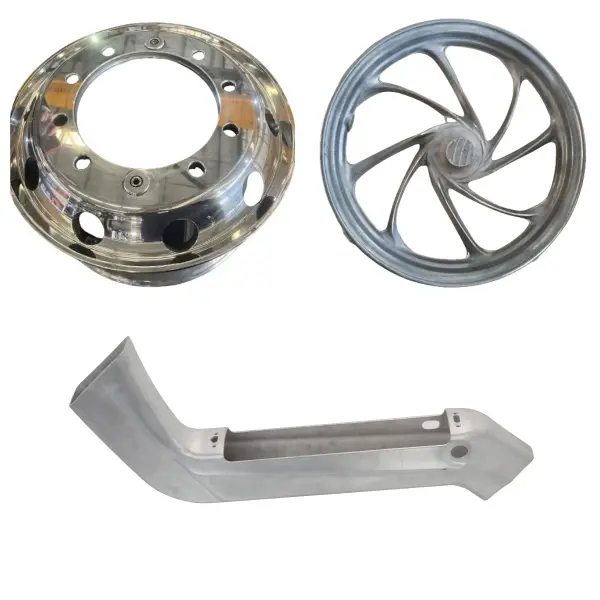





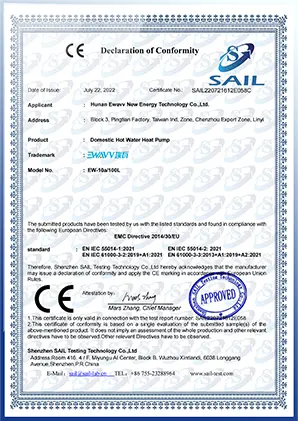
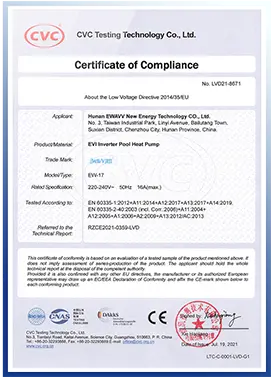
Our equipment and systems comply with strict global safety, performance, and quality management standards.
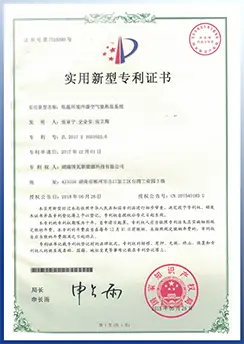
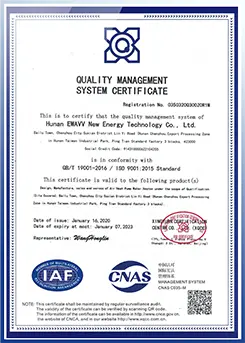
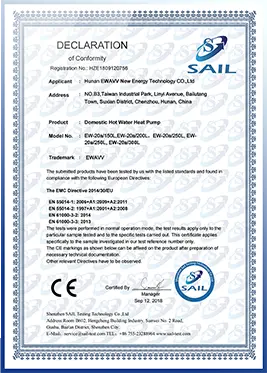
Insight into market developments and global requirements for orthopedic implant manufacturing.
Global medical OEMs require complete manufacturing traceability. Quality documentation must log parameters like spindle speed, contact pressure, wheel wear, and cycle times for each individual serial-numbered implant. Our automated equipment interfaces directly with MES (Manufacturing Execution Systems) to compile and export validation files, supporting compliance with FDA 21 CFR Part 11 and ISO 13485 audits.
A key trend in surface processing is the adoption of active compliance force control. Standard rigid robots struggle with geometric tolerances in cast or forged medical blanks, which can lead to over-grinding or under-polishing. Active compliance flanges adjust in real-time to surface variations, maintaining consistent contact force (within ±1N) to protect the underlying geometry.
Polishing alloys like Titanium and Cobalt-Chrome generates fine, potentially combustible metallic dust. Modern systems utilize wet-polishing techniques with continuous lubricant filtration and explosion-proof extraction systems. Enclosed, cleanroom-compatible robotic cells help control dust and maintain clean manufacturing areas.
Common technical questions regarding automated joint polishing and surface preparation.
High-capacity automated solutions for low-pressure casting, shot blasting, and robotic surface finishing.
Wholesale Industrial Low Pressure Casting Equipment for Light Metal Parts Manufacturer, Factories
Learn More →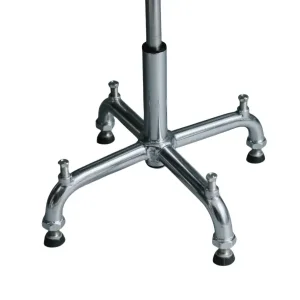
China Multi functional Metal Furniture Grinding Polishing Machine for Chair Desk Lamp Table Corner Edges Manufacturer, Supplier
Learn More →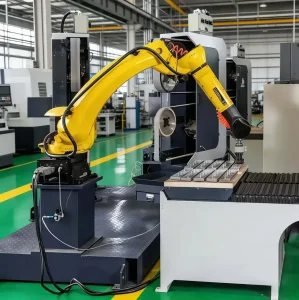
Wholesale Automatic Metal Polishing Robot Solution Manufacturer, Manufacturers
Learn More →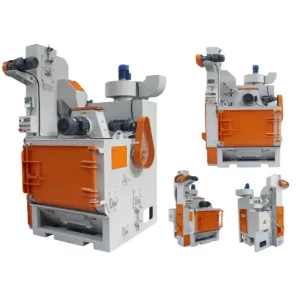
China Brass Castings Shot Blasting Machine Sand Cleaning Machine Exporters, Service
Learn More →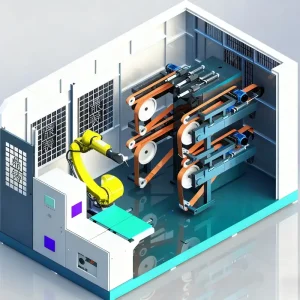
Wholesale Multi-Function Grinding Deburring and Polishing Equipment for Precision Metal Parts Surface Treatment Solution Factories, Service
Learn More →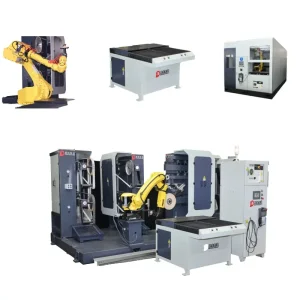
China Automatic Metal Casting Grinding and Polishing Machine Manufacturers, Factory
Learn More →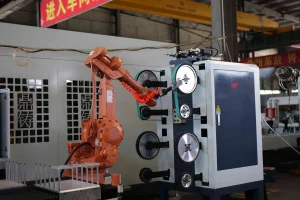
Wholesale Stainless Steel Aluminum Zinc Alloy Metal Grinding Polishing Machine Multi Purpose Finishing Equipment Suppliers, Exporters
Learn More →
Wholesale Auto Metal Surface Finishing System - Alloy Castings Grinder & Polisher with High Efficiency Supplier, Service
Learn More → Dingzhu auto