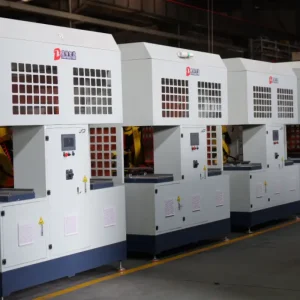
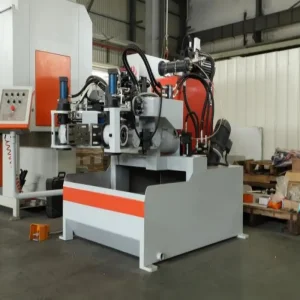
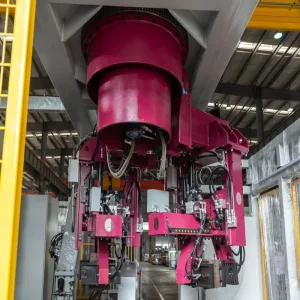
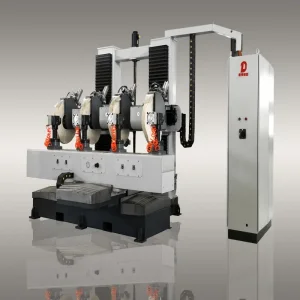
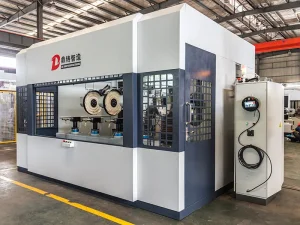
Explore our primary wholesale and industrial offerings, engineered to scale productivity and secure repeatable precision.
How automated casting preparation and smart finishing cycles bypass legacy throughput limits.
In global manufacturing, the transition from traditional manual grinding to automated robotic cells has evolved from a simple upgrade to a strategic necessity. Aluminium castings, widely preferred for their high strength-to-weight ratio in automotive, aerospace, and electronics sectors, pose unique challenges during post-cast processing. The removal of flash, parting lines, and gating system residues requires continuous precision to prevent metallurgical damage or geometric distortion.
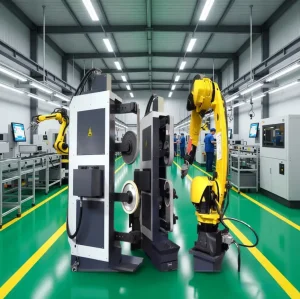
Manual grinding of aluminium castings exposes workers to physical vibration, high noise levels, and hazardous aluminium dust—creating strict regulatory challenges under OSHA and European safety standards. As a premier exporter and service provider, DingZhu Intelligent Equipment delivers automated grinding and surface finishing systems that address these compliance concerns while significantly reducing cycle times.
Our systems combine high-speed spindle controls, adaptive force-feedback technologies, and heavy-duty dust collection modules to handle the unique thermal characteristics of aluminium alloy processing.

Xiamen DingZhu (DZ) Intelligent Equipment Co., Ltd. was founded in 2016. The company is primarily engaged in the research, development, and manufacture of automated foundry equipment used for plumbing hardware, sanitary fittings, automotive spare parts, and valves.
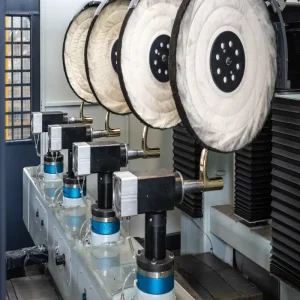
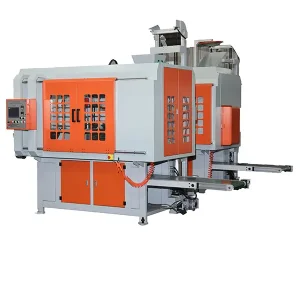
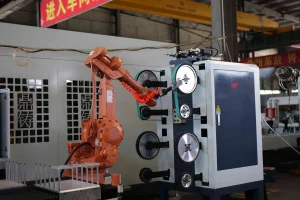
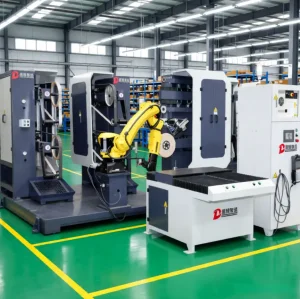
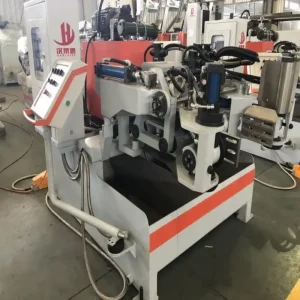
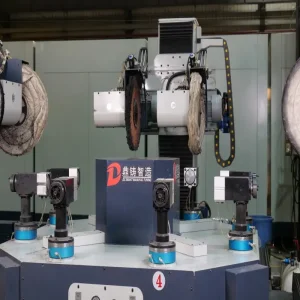
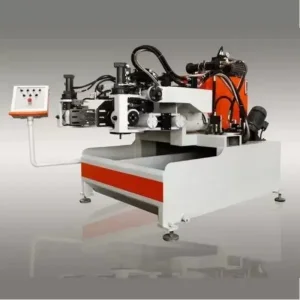
Our solutions address key stages of the casting and finishing process, including automatic sand core shooting machines, gravity die casting machines, automated Low Pressure Die Casting (LPDC) systems, and robotic cell grinding and polishing machinery. DingZhu provides global foundries with systems that replace manual, high-hazard processes with stable, high-throughput automated machinery.
Providing stable equipment and professional engineering support for critical foundry applications.
Backed by 20 years of technical expertise, our machines use market-proven designs that maintain low failure rates under harsh industrial conditions.
Our engineering team specializes in casting, grinding, and polishing systems, offering complete support from equipment selection through process upgrades.
With local service hubs in India, Egypt, Turkey, and Iran, we commit to 24-hour on-site response times to keep production lines running.
Standardized regional warehouses cover over 80% of common wear parts, helping reduce emergency waiting times and improve maintenance efficiency by up to 60%.
Optimizing mechanical parameters to prevent defect formation during high-speed aluminium processing.
| Process Variable | Manual Post-Processing | DZ Automated Grinding Cells | Impact on Casting Integrity |
|---|---|---|---|
| Force Regulation | Inconsistent operator pressure (variable contact force) | Real-time active force control (dynamic feedback) | Reduces surface gouging and maintains strict dimensional tolerances. |
| Thermal Interface | Unmonitored surface heat buildup | Optimized tool speeds with integrated cooling profiles | Prevents local melting and structural softening of aluminium alloys. |
| Dust Management | Open exhaust hoods; higher exposure risks | Enclosed work zones with ATEX/NFPA wet filtration systems | Controls explosion risks related to fine aluminium dust. |
| Abrasive Service Life | Fast wheel wear due to clogging | Optimized cutting speeds and automated wheel dressing | Lowers wholesale operational costs and reduces machine downtime. |
Variations in casting parting lines and gates make pre-programmed toolpaths alone insufficient. DingZhu automated robotic systems use closed-loop force sensor feedback. As the grinding head traces the casting profile, the system adjusts feed rates in real time. This ensures consistent material removal and protects casting integrity, even when handling complex configurations.
Engineered configurations designed for specific manufacturing and casting sectors.
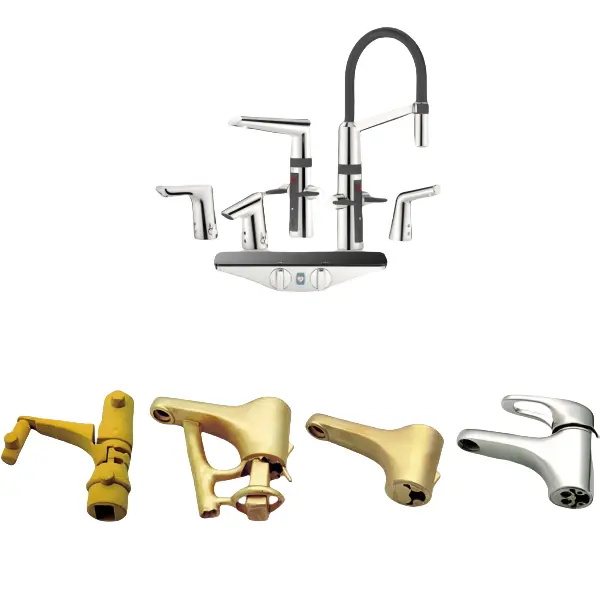
Automated systems process complex internal waterways and external surfaces for plumbing components and faucets, preparing them for chrome plating.
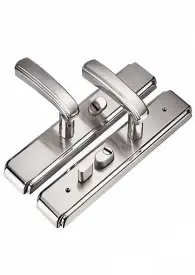
Ensures flat surfaces and crisp edges on decorative items, including zinc, aluminium, and brass handles, panel trim, and furniture fixtures.
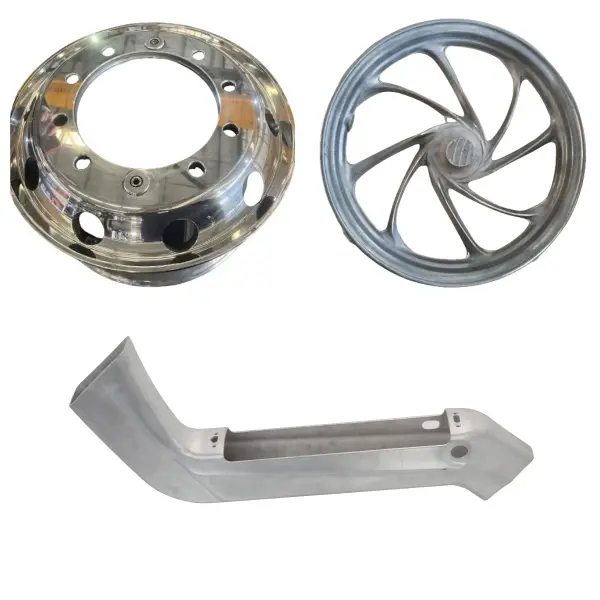
High-precision flash removal for engine brackets, steering housings, transmission components, and electric vehicle battery enclosures.
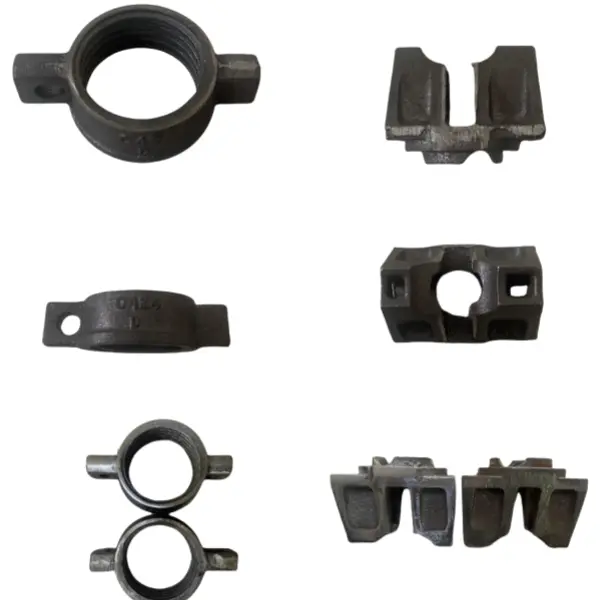
Removes high-volume flash, parting lines, and tough gating residues on complex aluminium, iron, and brass castings.
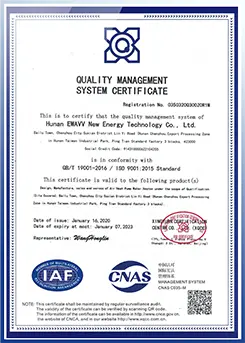
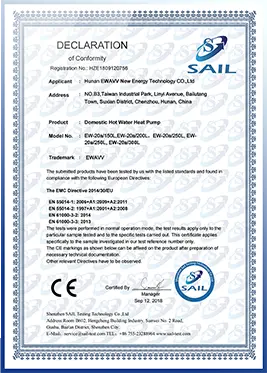
Equipment manufactured to international safety and performance criteria.
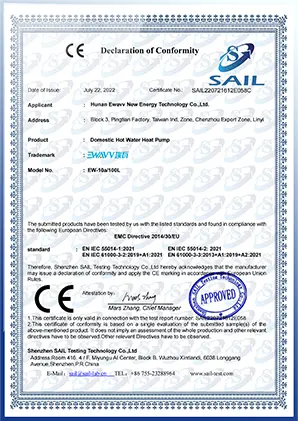
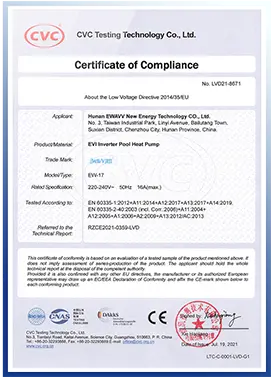
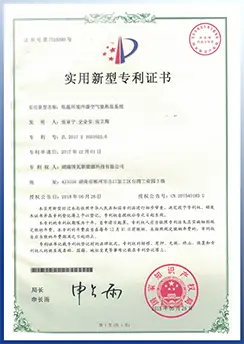
Integrating advanced control systems, visual recognition, and predictive analytics.
We are integrating structured-light 3D scanning sensors directly onto robotic arms. Instead of using pre-configured coordinates, the cell dynamically scans each cast component, identifies flash volume, and generates custom paths, helping reduce setup time to near-zero.
By monitoring motor current variations and torque sensors on the grinding spindle, the control system calculates wheel wear. It warns operators before performance declines, preventing scrap and unscheduled stops.
To manage the ignition risk associated with fine aluminium dust, our system uses advanced wet scrubbers that draw particulates directly from the grinding zone. This design helps maintain safe working conditions and meets strict environmental emission standards.
Equipped with standard OPC UA protocols, our machinery shares real-time data with factory MES software. This allows operators to easily monitor production statistics, cycle times, energy consumption, and equipment status.
Answers to common operational and integration questions for foundry managers.
Explore our expanded range of surface finishing systems, gravity casting machines, and automated robotic cells.
 Dingzhu auto