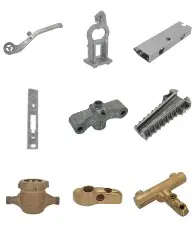
Explore our core machinery engineered to optimize metal casting, automatic deburring, polishing, and high-efficiency post-casting surface refinement.
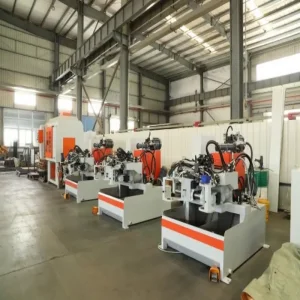
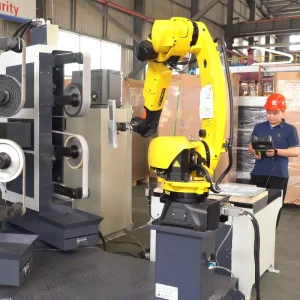
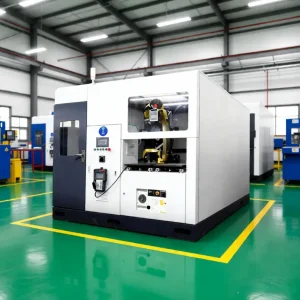
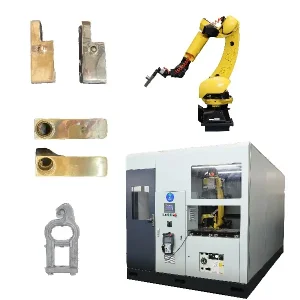
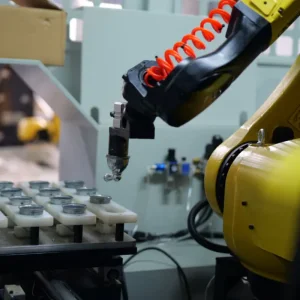
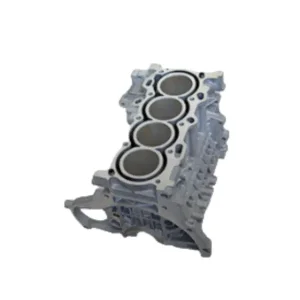
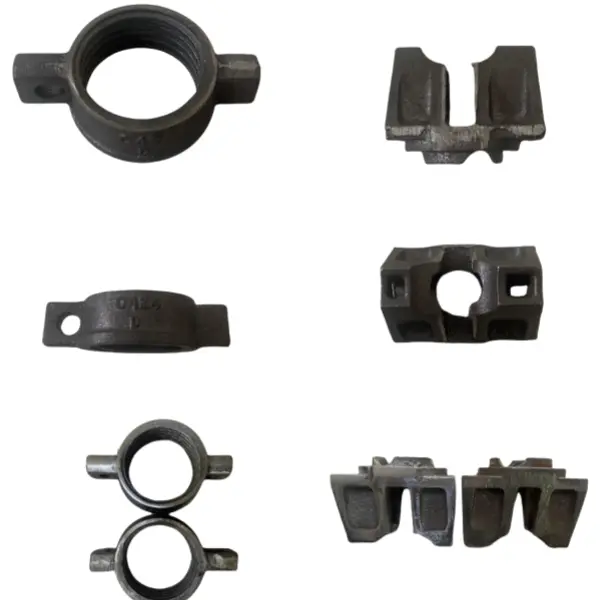
In modern industrial manufacturing, especially within the foundry and secondary metalworking industries, the process of internal thread forming remains one of the most critical stages. Conventionally, tapping was conducted using tension-compression tap holders (floating tap adapters) designed to compensate for the discrepancy between the machine's mechanical rotation speed and linear feed rate. However, this classical approach compromises tool longevity, cycle times, and dimensional repeatability.
With the rise of high-speed manufacturing, Rigid Synchronous Tapping (commonly referred to as rigid tapping or solid tapping) has emerged as the definitive standard. Synchronous tapping coordinates the rotation of the machine spindle directly with the linear feed of the axis feed drive via dynamic servo closed-loop control. This ensures that the depth and pitch of the thread correspond perfectly down to the microsecond level, eliminating axial forces on the tap and minimizing thread distortion.
Driven by industrial automation and global standards such as ISO and CE, contemporary foundries are rapidly migrating from stand-alone manual units to fully integrated casting cells. A synchronous tapping machine is no longer an isolated mechanical drill; it is now a digital nodal element capable of communicating with upstream robotic molding arms and downstream automatic grinding systems. In markets such as Europe, East Asia, and the Americas, manufacturing specifications demand high-grade repeatability (such as 6H thread tolerances) on cast brass, lightweight zinc alloys, and heavy-duty structural steel castings.
This integration directly addresses the major challenges of modern foundry production: variable material hardness, micro-porosity within castings, and high-frequency tool breakages. By embedding high-resolution encoder feedback, modern synchronous tapping machines adapt spindle torque dynamically, protecting critical tooling and ensuring a near-zero reject rate.
Founded in 2016, Xiamen DingZhu (DZ) Intelligent Equipment Co., Ltd has established itself as an authoritative leader in the research, development, and high-volume manufacture of automated casting and post-processing machinery. We target high-reliability industries such as plumbing hardware, sanitary fittings, automotive components, valves, and water pump systems.
Our comprehensive technology product line includes state-of-the-art automatic core shooting machines, high-stability gravity die casting machines, low-pressure die casting machines (LPDC), robotic cell grinding, automatic polishing machines, and advanced rigid synchronous tapping systems. By integrating heavy-duty hardware with modern cyber-physical system control, we help global foundries transition smoothly into automated smart factories.

Explore the flagship equipment categories engineered by DingZhu to streamline metal foundry operations from raw sand molding to fine component finish.
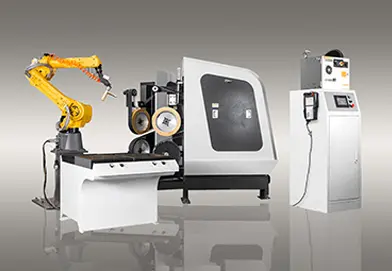
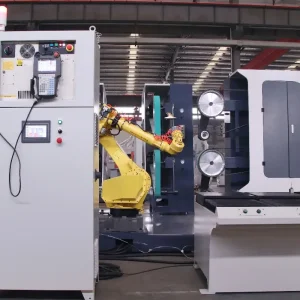
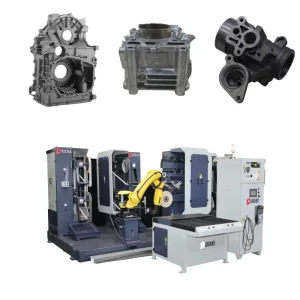
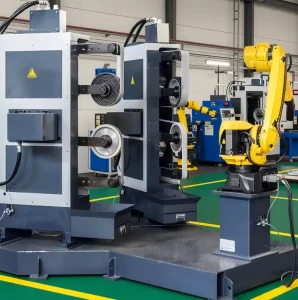
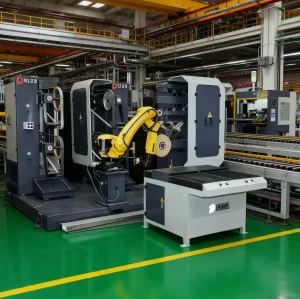
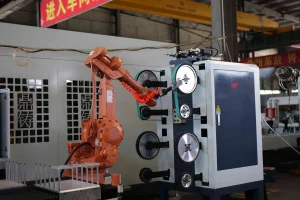
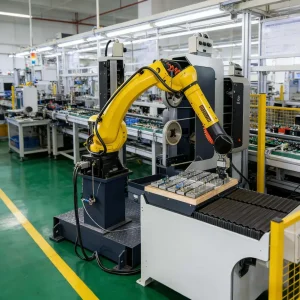
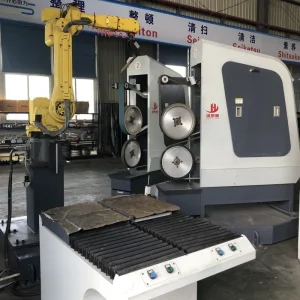
Industrial robotic cells equipped with automated belt tensioners and force feedback control to safely deburr heavy metal components with absolute consistency.
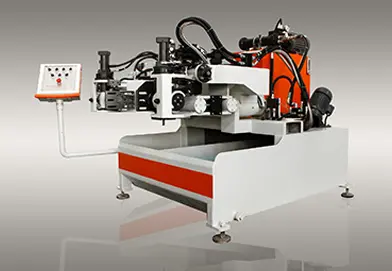
Engineered specifically for non-ferrous alloys such as brass and aluminum, providing dynamic tilt control to eliminate internal air inclusions.
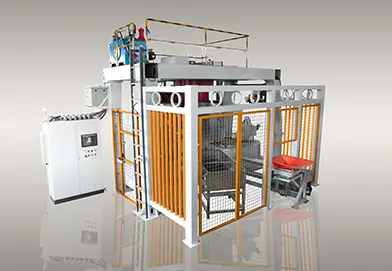
High-production rate automated pouring stations that significantly decrease ladle heat loss and stabilize metallurgical structure consistency.
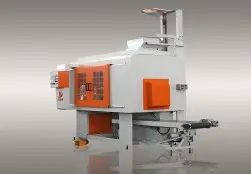
High-speed pneumatic sand shooting cylinders designed for rapid core production, optimizing dimensional accuracy of complex hollow castings.
Multi-axis interpolated finishing machines utilizing smart wear-compensation algorithms to deliver mirror-like surface treatments on sanitary fittings and handles.
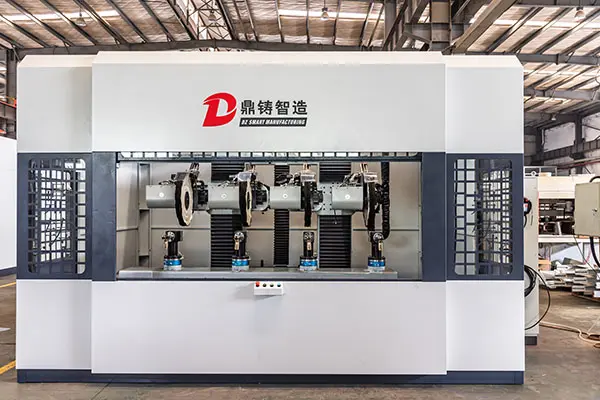
Different materials demand custom machining dynamics. In automotive structural assemblies, valve housings, and water pump shells, threading faults can lead to high scrap costs. Understanding structural behaviors under high torque is critical to achieving stable thread geometry.
Brass plumbing fixtures require threading interfaces capable of withstanding constant hydraulic pressure and seal fatigue. Synchronous tapping machines prevent chip binding and thread peeling by optimizing spindle speed decelerations at the bottom of blind holes. The continuous sync tracking ensures perfect thread concentricity, eliminating micro-leaks in finished water valves.
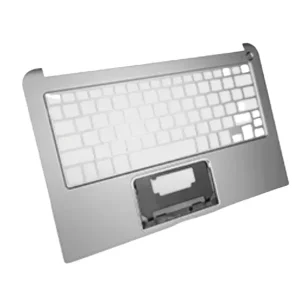
Lightweighting is a core development trend in modern automotive engineering and high-end hardware manufacturing (e.g., door handle panels). Zinc and aluminum alloys are prone to thread stripping and thermal expansion during fast machining. DingZhu's synchronous tapping systems incorporate active cooling channels and rapid torque-reversal cycles. This reduces thermal stress on the workpiece, maintaining tight thread tolerances across continuous, high-volume production cycles.
For large motor shells, industrial water pump components, and pump bodies, threading must hold heavy bolts securely. These materials often exhibit structural inconsistencies. DingZhu machines use dynamic tool load monitoring to detect hidden internal voids, automatically slowing down or reversing before tool breakage occurs.
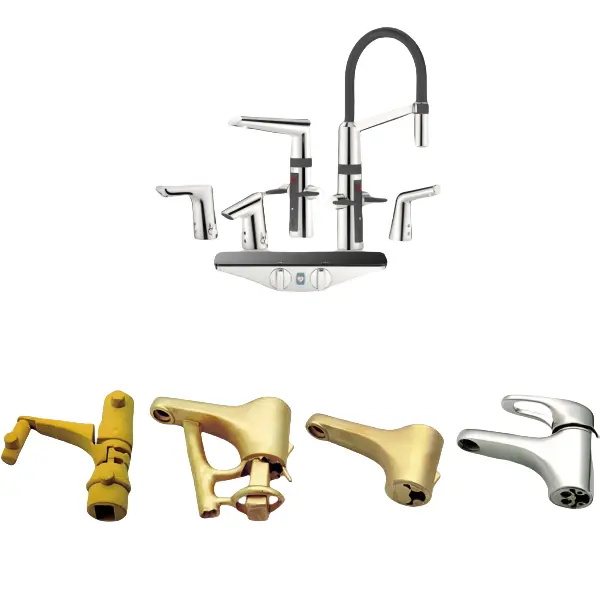
High-precision threading of taps, manifolds, and couplers where thread integrity and leak prevention are critical.
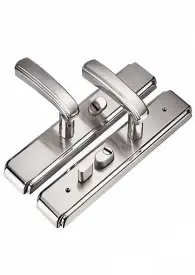
Clean deburring and surface preparation on zinc-aluminum decorative hardware prior to electroplating.
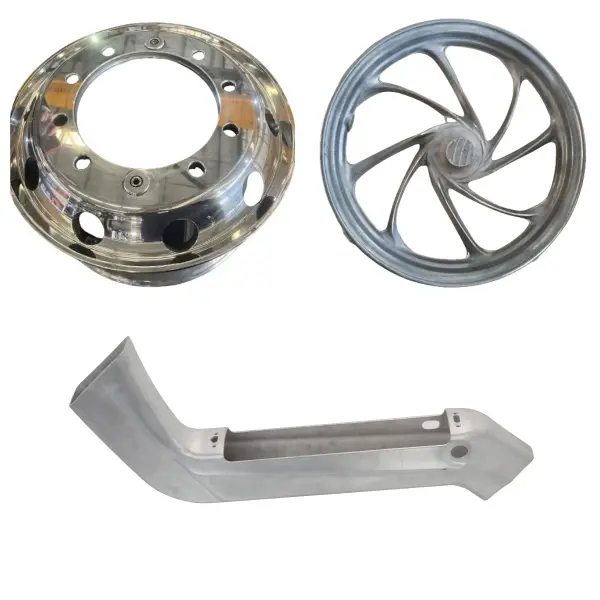
Robust threading of motor brackets, gear cases, and fluid transmission blocks demanding high load-bearing threads.
DingZhu combines structural machinery development experience with strong local support and high-performance system configuration.
With over 20 years of technology precipitation, our systems adopt field-proven, market-verified technical configurations. As a result, our equipment maintains a failure rate significantly below the industry average.
Our core engineer team has focused on metal casting, robotic grinding, and synchronous tapping for more than 20 years. We offer comprehensive, full-cycle technical support from system selection to post-installation optimization.
We have established localized service offices in key manufacturing hubs, including India, Egypt, Turkey, and Iran. We commit to a rapid 24-hour on-site engineering response to maximize machine uptime.
Our standardized parts warehouses are strategically positioned near major customer hubs. Stocking over 80% of critical wear parts enables rapid replacement, improving total maintenance efficiency by up to 60%.
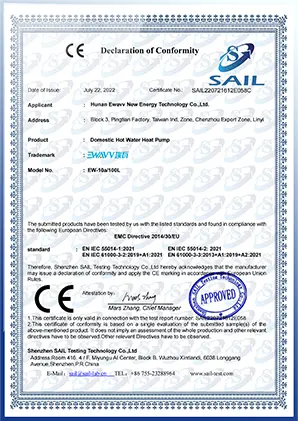
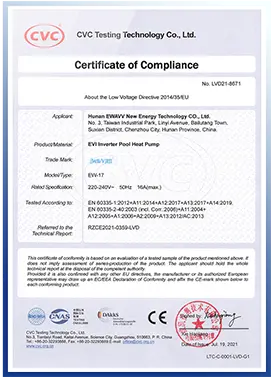
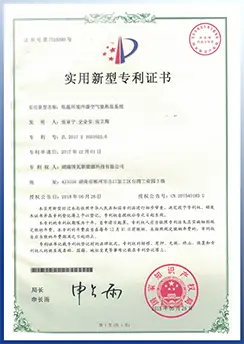
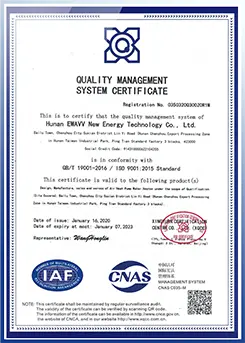
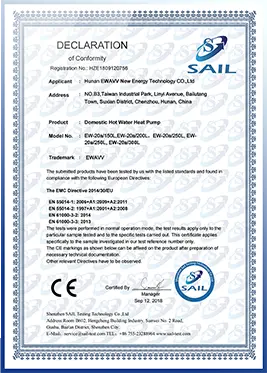
DingZhu equipment is manufactured to international industrial standards. We hold multiple quality control certificates and patents, ensuring compliance in global markets.
In high-capacity automated production, rigid synchronous tapping performance is determined by structural alignment, spindle dynamics, and tooling management. Below is an engineering comparison illustrating the advantages of rigid synchronous setups over floating holder configurations:
DingZhu integrates dynamic multi-axis machining cells with custom material feed structures to optimize throughput. Below are process highlights from our active application designs:





As smart manufacturing evolves, machine components require higher levels of digital integration. Our development pipeline focuses on three primary areas: digital twins, adaptive wear compensation, and carbon-neutral resource management.
Through these technology implementations, Xiamen DingZhu provides global industrial partners with scalable, reliable production tools designed to maintain high quality and efficiency in competitive markets.
Find technical answers to common questions regarding rigid tapping, material compatibility, and operational maintenance.
Review our advanced automated finishing solutions, robotic cells, and high-efficiency surface refinement machinery.
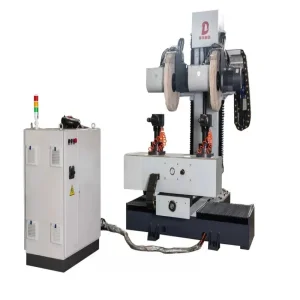
Let us help you improve production efficiency with tailored equipment solutions designed to maintain high quality and consistency. Get in touch for a detailed custom engineering proposal.
Query Project Quotation Dingzhu auto