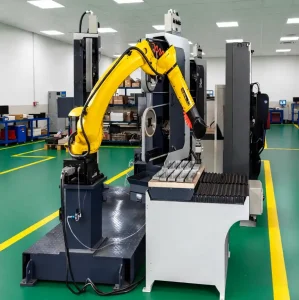
In the rapidly transforming landscape of global manufacturing, the "China High Quality Robot Grinding" sector has emerged as a critical pillar for industries ranging from automotive to aerospace. Historically, metal grinding and deburring were labor-intensive processes prone to human error, health hazards, and inconsistency. Today, the integration of Robotic Grinding Systems represents a paradigm shift—not just in efficiency, but in the very definition of precision.
As a leading exporter, Xiamen DingZhu (DZ) Intelligent Equipment Co., Ltd has observed a 150% increase in demand for automated surface finishing over the last five years. Global enterprises are no longer just seeking machines; they are seeking Information Gain—intelligent data-driven systems that can predict tool wear, adjust force feedback in real-time, and integrate seamlessly into a "Lights-Out" factory environment.
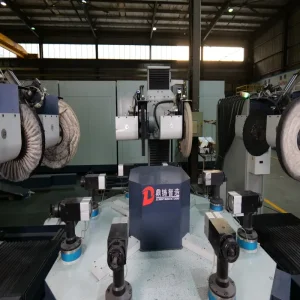
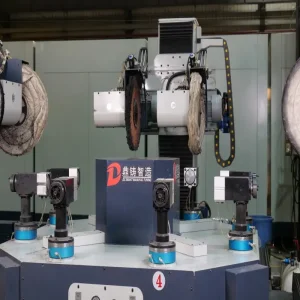
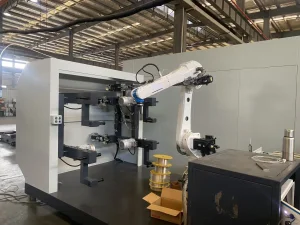
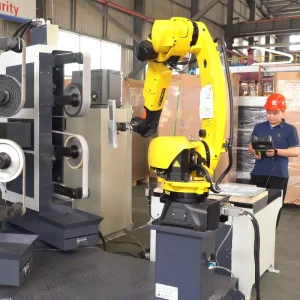
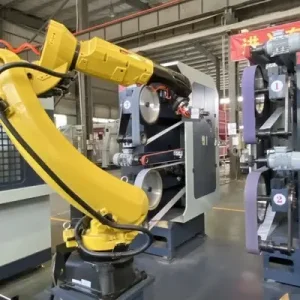
Transitioning from static CNC machines to adaptive 6-axis robotic arms that simulate the flexibility of a human hand with the precision of a computer.
Robotic grinding reduces cycle times by up to 40% and consumable waste by 30%, providing a return on investment within 18-24 months.
By automating the most hazardous foundry tasks—dust exposure and repetitive strain—companies meet stringent EHS (Environment, Health, and Safety) standards.

The "China Factory 4.0" model is built on supply chain vertical integration. Unlike traditional suppliers, Chinese manufacturers like DingZhu control the ecosystem—from core motor components and software path planning to the final assembly of gravity die casting and robotic cells.
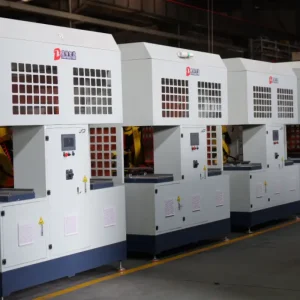
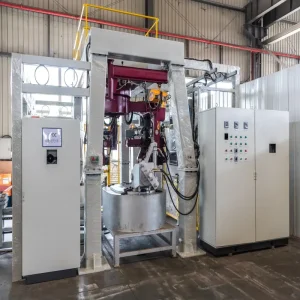
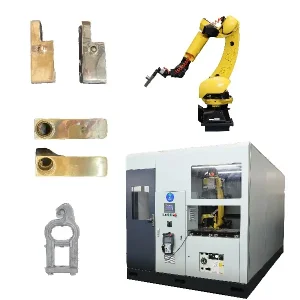
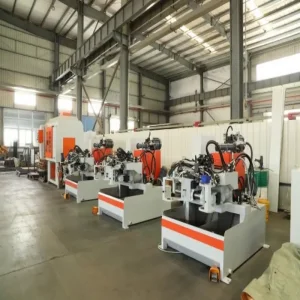
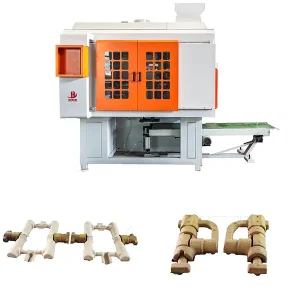
Founded in 2016, Xiamen DingZhu (DZ) Intelligent Equipment Co., Ltd specializes in the research, development, and manufacture of automatic equipment for the foundry industry. Our expertise spans plumbing hardware, sanitary ware, car spares, and valves. We provide a holistic suite of products including automatic core shooting machines, gravity die casting machines, and state-of-the-art robotic cell grinding and polishing machines.

20 years of focus. Equipment failure rates are significantly lower than the industry average through market-verified solutions.

Core engineering team providing full-cycle support from machine selection to complex process upgrading.

Localized service outlets in India, Egypt, Turkey, and Iran. On-site response guaranteed within 24 hours.

Standardized parts warehouses cover 80% of wearing parts, improving maintenance efficiency by 60%.
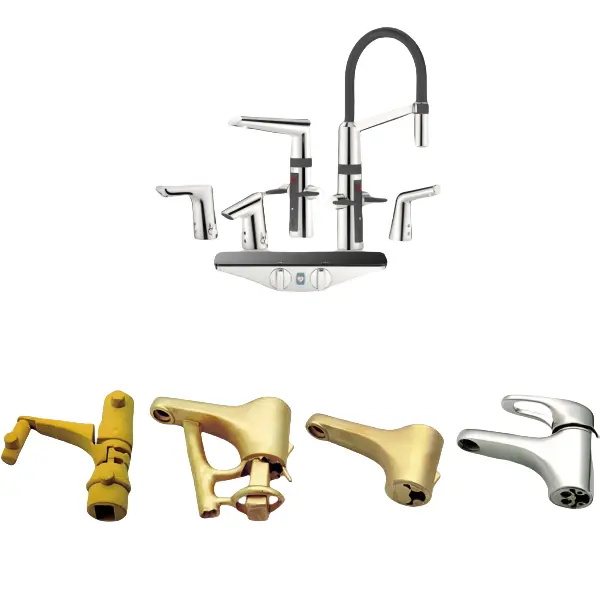
High-precision grinding for faucets and showerheads where surface aesthetics are paramount for premium branding.
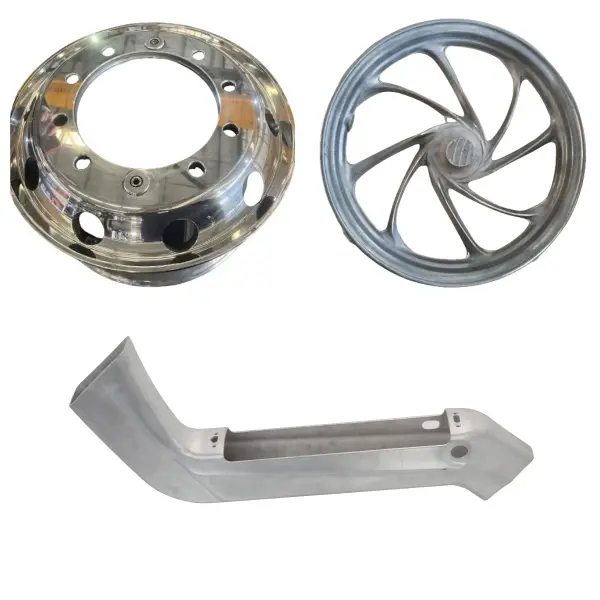
Deburring engine blocks, manifolds, and steering knuckles to ensure structural integrity and tight tolerances.
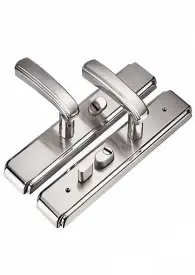
Automated polishing for door handles and decorative panels, ensuring a mirror-finish every single time.
The next generation of grinding robots will use 3D Laser Scanning to create a digital twin of each casting. This allows the robot to compensate for variations in raw casting shapes automatically, reducing the need for rigid fixtures.
Modern systems are moving toward "Passive & Active Force Control." This mimics the human "feel," allowing the robot to apply consistent pressure even on complex curved surfaces, preventing over-grinding and heat damage to the substrate.
With global ESG mandates, robotic cells are now integrated with high-efficiency particulate air (HEPA) vacuum systems, capturing 99.9% of metal dust at the source, contributing to a circular and cleaner manufacturing economy.
Robotic arms offer 6-degrees of freedom, allowing them to reach complex geometries that 3 or 5-axis CNC machines cannot. Furthermore, robots can be easily repurposed for different parts by simply changing the software path, offering much higher flexibility.
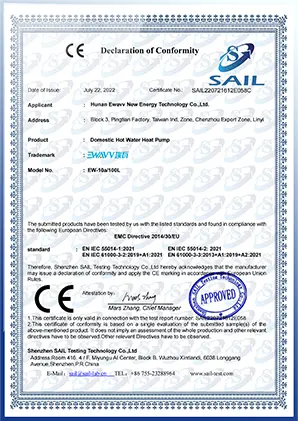
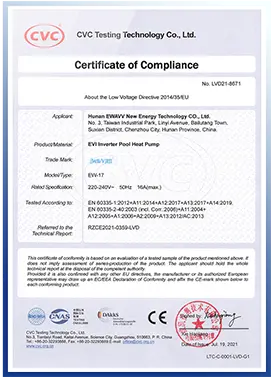
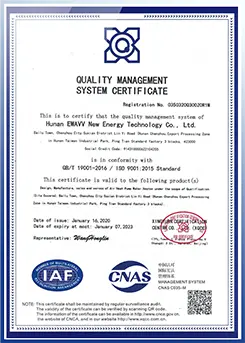
Every machine undergoes a 72-hour continuous stress test before shipment. We hold CE and ISO certifications, and our "Expert Escort" program ensures your local team is fully trained for operation and maintenance.
Yes. Our systems are programmed with material-specific pressure and speed parameters. Whether it's the high ductility of brass or the heat sensitivity of aluminum alloys, the system adjusts for optimal finishing.
Due to our robust supply chain in China, standard cells are delivered within 8-12 weeks, while highly customized multi-robot lines typically take 16-20 weeks.
Let us optimize your production efficiency with exclusive equipment solutions to help you seize the dual high ground of quality and efficiency.
Query Project Quotation Dingzhu auto