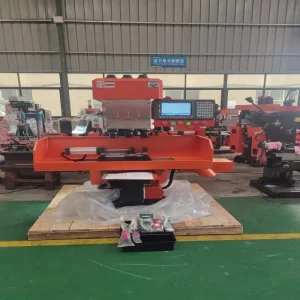
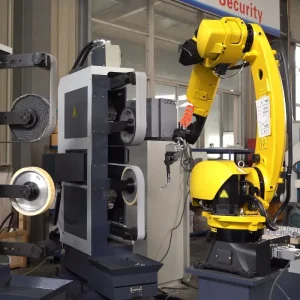
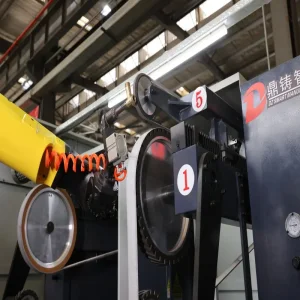
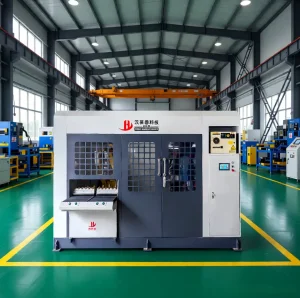
Analyzing the shift from labor-intensive manual polishing to robotic precision cells in ergonomic furniture production.
The office and ergonomic seating industry is undergoing a global structural transformation. As international ergonomic standards like BIFMA X5.1 and EN 1335 become increasingly stringent, manufacturers face unprecedented demands for component durability, safety, and cosmetic flawless finish. The central component under the greatest stress load is the chair base (usually a 5-star structural configuration), cast from aluminum alloy, zinc alloy, or structural nylon. Correctly preparing its complex geometry is crucial for both aesthetic appeal and mechanical reliability.
In manual operations, grinding a 5-star aluminum chair base presents structural challenges: uneven parting lines, micro-fractures due to overheating, and severe worker safety risks arising from explosive aluminum dust. Automating this phase is no longer a luxury—it is an economic and safety necessity.
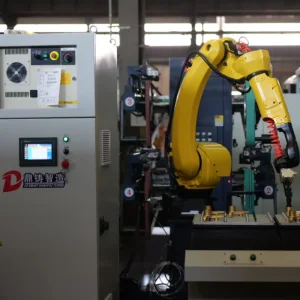
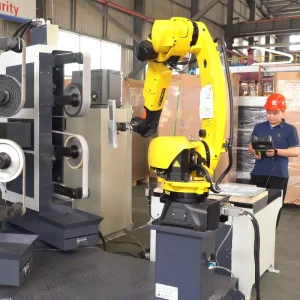
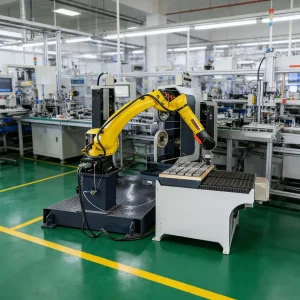
Today, global tier-1 furniture brands demand consistent, micron-level surface roughness (Ra) before electroplating, liquid coating, or powder finishing. The industrial landscape is rapidly transitioning towards high-efficiency robotic grinding cells and multi-axis CNC surface treatment machines. These systems replace inconsistent manual operations, offering continuous 24/7 cycles, uniform pressure control, and integrated dust extraction structures that comply with international safety regulations.

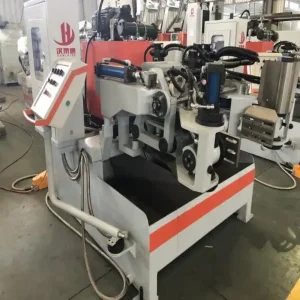
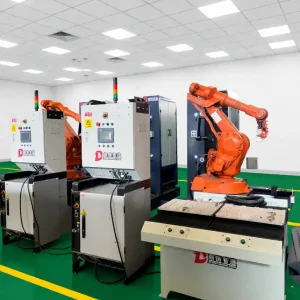
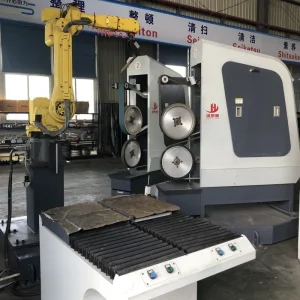
Xiamen DingZhu(DZ) Intelligent Equipment Co.,Ltd was founded in 2016. We are principally engaged in the research, development, and manufacture of automatic equipment for the foundry industry used in plumbing hardware, sanitary fittings, car spares, valves, and ergonomic furniture components. We provide state-of-the-art automatic core shooting machines, gravity die casting machines, automatic Low Pressure Die Casting machines (LPDC), and highly flexible robotic cell grinding and polishing machines.
By integrating advanced CNC multi-axis synchronization and force-controlled robotic arms, we have successfully modernized foundry post-processing lines globally, enabling manufacturers to reduce scrap rates, bypass labor shortages, and achieve high-precision consistency.


Modern chair base polishing processes require high dynamic flexibility due to the irregular shapes, varying thicknesses, and complex contours of five-star structures. Our technological roadmap focuses on three main developments:
Utilizing high-frequency response 6-axis force/torque sensors. This technology allows the robotic arm to dynamically adjust its grinding force against the casting's surface variations, preventing over-grinding of corners and maintaining consistent material removal rates.
Integrated 3D vision scanning modules automatically capture parting line displacements caused by casting deformation. The system regenerates the abrasive toolpath in real-time, eliminating manual offline programming inaccuracies.
Algorithmic software monitors the motor load and cumulative grinding times, applying proportional feed-rate adjustments as the belt wears. This guarantees an identical surface finish from the first part to the last.
As we look toward industry 4.0, DZ Intelligent Equipment is integrating machine learning algorithms with automated visual inspection. This allows the system to visually scan the finished chair base, detect imperfections (e.g., residual gates, pinholes, or scratches), and direct the robotic arm to perform local rework without stopping the production line. This level of self-optimization is set to redefine B2B furniture manufacturing efficiency.
How Xiamen DingZhu adapts automated grinding machinery to meet specific regional requirements and material variants.
Western markets favor large, heavy, die-cast aluminum 5-star bases (diameter > 700mm) that must support load thresholds up to 300 lbs. Our high-payload robotic cells handle these massive castings easily, applying uniform grinding pressure to heavy flashings along parting lines.
The explosive growth of the gaming chair sector requires highly complex geometric designs with sharp angles and stylistic structural facets. Our multi-axis CNC machines and flexible belt polishing units reach into narrow channels and complex contours where standard robot arms might struggle.
Medical stools require highly sterile, high-polish chrome or polished stainless steel bases. Xiamen DingZhu provides specialized configurations using sequential abrasive wheel changes (from 80 grit up to sisal and cotton buffing heads) to prepare surfaces directly for chrome plating.
Sourcing your machinery from a specialized Chinese manufacturer like Xiamen DingZhu Intelligent Equipment offers distinct strategic benefits, especially in today's unpredictable economic environment. Our facility is situated within one of China's most robust industrial automation hubs in Fujian Province. This proximity grants us access to a complete supply chain ecosystem for CNC components, precision casting modules, heavy-duty guide rails, and advanced pneumatic subsystems.
Compared to European counterparts, our localized supply chain allows us to maintain a stable, predictable production schedule even during global logistics challenges. This localized sourcing model yields direct advantages for our international clients:
We configure spindle powers, safety enclosures, filtering systems, and robotic workspace envelopes to fit your plant's footprint without causing costly design delays.
Our integrated manufacturing line handles mechanical design, structural fabrication, control cabinet wiring, and software deployment in-house, reducing overall lead times by up to 35%.
We deliver systems with comparable output consistency and cycle times to Western equivalents, but at a more competitive capital expenditure (CapEx) profile. This ensures rapid return on investment (ROI) for our clients.
Why manufacturers worldwide choose Xiamen DingZhu as their strategic industrial partner.

20 years of technology precipitation. The equipment adopts mature technical solutions that have been verified by the market, keeping the failure rate significantly lower than the industry average.

Our core engineer team has focused on the casting, grinding, and polishing sector for over 20 years, providing full-cycle support from machine selection to process upgrades.

We run localized service outlets in India, Egypt, Turkey, Iran, and other countries, promising on-site support response within 24 hours.

We maintain standardized parts warehouses in overseas outlets covering over 80% of wearing parts. This enables rapid replacement in emergencies, increasing maintenance efficiency by 60%.
Explore the broad spectrum of industrial hardware finished with our robotic and CNC systems.
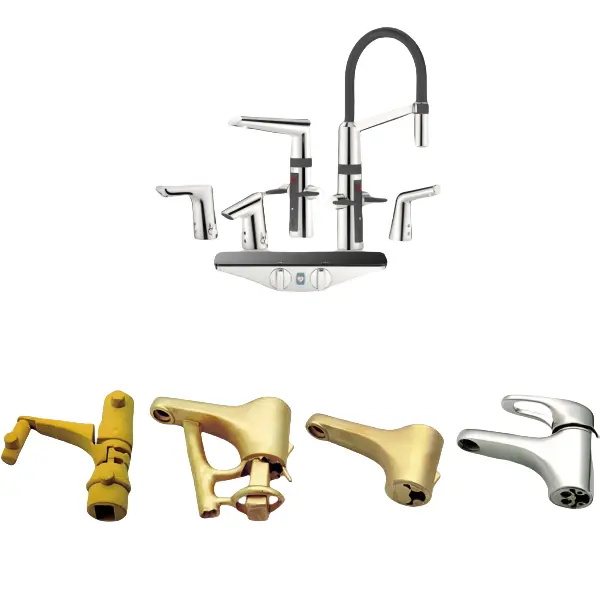
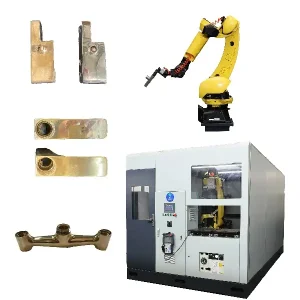
Ensuring smooth surfaces and clean contours on high-end brass and zinc plumbing faucets.
Read More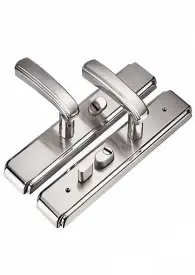
Removing rough parting lines on locksets, architectural handles, and functional hardware trim.
Read More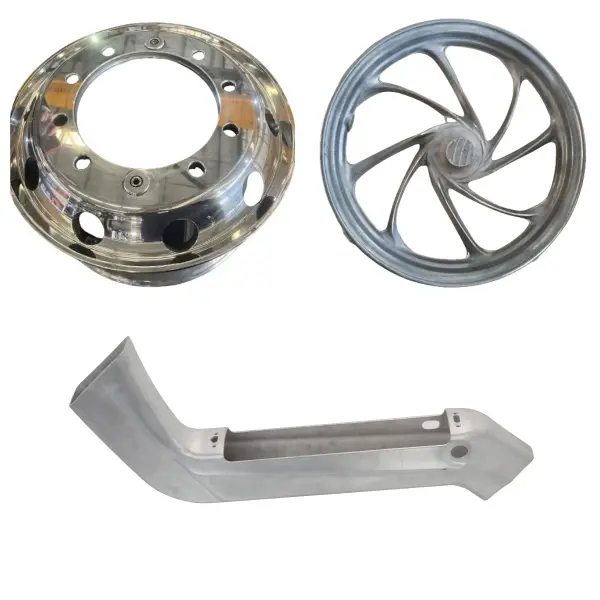
Heavy-duty precision grinding of engine housings, manifold castings, and alloy wheels.
Read More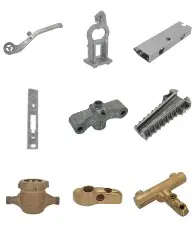
Tailored robotic belt grinding setups designed to clean up heavy die-cast metal flashes.
Read MoreOperating high-speed abrasive machinery demands adherence to international occupational health and safety regulations. Processing aluminum alloys, in particular, produces fine, combustible dust. If not properly managed, this can present severe risks in a factory environment.
All automated grinding cells manufactured by Xiamen DingZhu are available with optional integrated dry or wet dust extraction systems. These configurations meet strict environmental standards, including NFPA (National Fire Protection Association) guidelines and ATEX directives in Europe. Our enclosures utilize spark-resistant ductwork, explosion-relief panels, and automatic water-curtain filtration units to safely capture aluminum particulates right at the grinding spindle.
Safety Integration: Built-in safety features like dual-channel interlocks, light curtains, emergency stop buttons, and robust sound-insulating enclosures keep operator noise exposure below 80 dB(A).
On the support front, our engineering teams assist with the initial regulatory approval phase. We provide comprehensive technical dossiers, risk assessments, and compliance declarations. When a system is installed at your facility, our local technical centers handle start-up calibration, teach-in programming, and safety audits. This structured approach helps your production line meet local safety guidelines without delay.
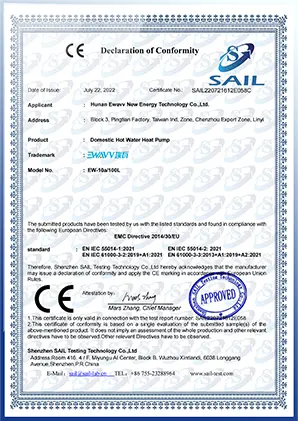
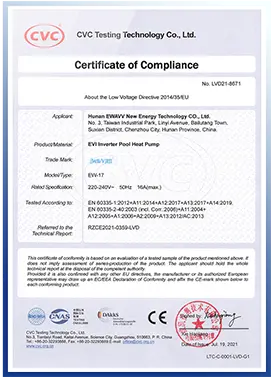
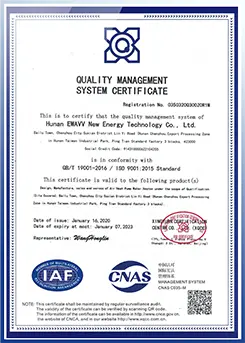
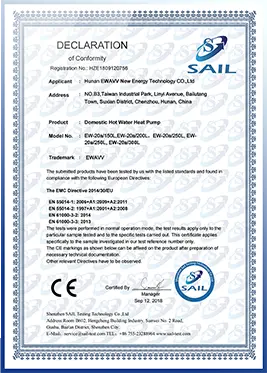
We maintain strict ISO 9001 and CE compliance across all our manufacturing processes.
Technical guidance and commercial insights on automated chair base grinding solutions.
 Dingzhu auto