Zamak handle polishing is an essential skill for anyone looking to enhance the appearance of their metal fixtures. Zamak, an alloy of zinc, aluminum, magnesium, and copper, is known for its durability and shiny finish. However, achieving that perfect polish requires more than just a few quick wipes. Proper techniques and tools can significantly impact the final outcome.
The process can seem daunting. Many people struggle with achieving a flawless finish. Factors like surface preparation, the choice of polishing compound, and even the technique used can influence the results. Mistakes can lead to scratches or an uneven shine, making it crucial to understand the nuances of Zamak handle polishing.
In this guide, we will explore top tips that encourage careful consideration and reflection on polishing methods. Each insight revealed aims to enhance your skills and ultimately improve your craftsmanship. Along the way, you may find areas where your technique could use adjustment. Embracing these challenges will lead to a more polished outcome.
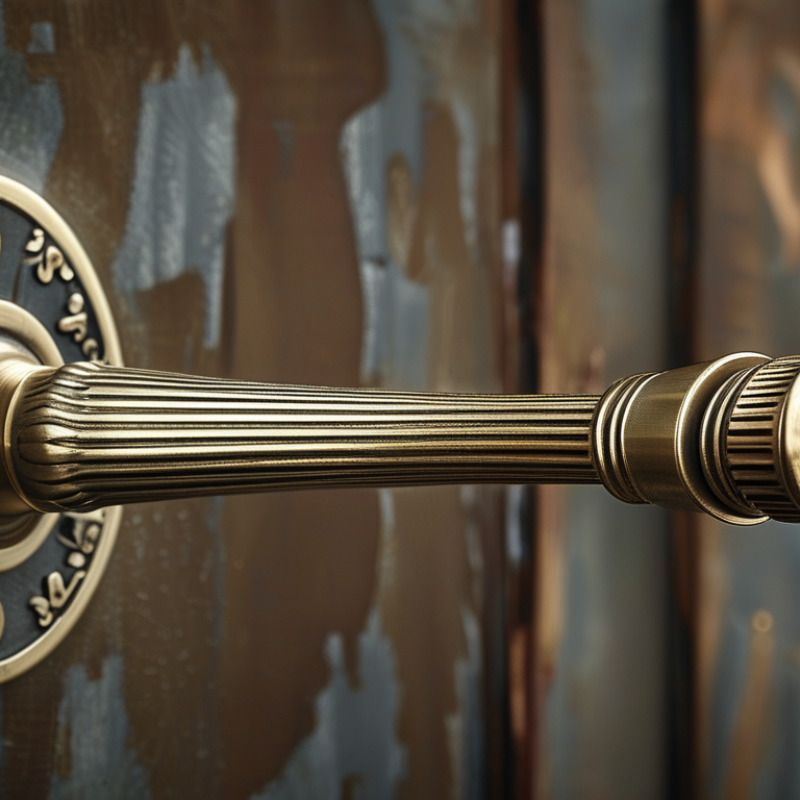
Understanding Zamak: Properties and Characteristics
Zamak is a zinc alloy, combining zinc, aluminum, magnesium, and copper. It is widely used in various industries due to its unique properties. One key characteristic is its excellent corrosion resistance, which makes it suitable for outdoor applications. According to a 2021 industry report, Zamak maintains its strength and integrity even in extreme environmental conditions.
Another notable feature of Zamak is its great castability. The alloy can be easily molded into complex shapes, making it ideal for precision engineering. This adaptability is supported by findings from the International Journal of Material Science, which noted that Zamak can reduce production costs by approximately 30% compared to other metals. However, fluctuations in zinc prices can impact manufacturing costs and market stability.
While Zamak offers several advantages, it has its limitations. The alloy can be brittle under specific conditions, especially when exposed to high temperatures. This brittleness can lead to unexpected failures in applications requiring high strength. Therefore, understanding both the benefits and drawbacks of Zamak is essential for effective use in design and manufacturing processes.
Essential Tools for Polishing Zamak Handles
When it comes to polishing Zamak handles, using the right tools is crucial. You’ll need a set of fine sandpapers, starting from 320 grit to 2000 grit. This range allows for gradual reduction of surface imperfections.
A polishing wheel is also essential; it can help restore a brilliant shine if used correctly.
Another integral tool is a high-quality polishing compound. This provides the necessary abrasiveness to remove scratches and stains. A soft cloth or microfiber towel is essential for the final buff. Your hands can only do so much. A bench grinder with a buffing attachment can speed up the process significantly. Always wear safety goggles when using these machines.
Starting out, you might be overwhelmed by the process. Many beginners make the mistake of applying too much pressure while polishing. This can lead to uneven surfaces or damage. It's vital to proceed with caution. Regular practice will help you refine your technique over time. Mistakes can be frustrating, but they're also learning experiences. Don’t be afraid to experiment with different methods, as polishing is as much art as it is skill.
Step-by-Step Polishing Techniques for Zamak
Polishing Zamak handles entails meticulous techniques that can enhance both appearance and durability. Start by gathering essential tools: a microfiber cloth, fine-grit sandpaper, and polishing compound.
Gentle abrasion with fine-grit sandpaper can remove surface imperfections. Studies indicate that properly prepared surfaces enhance the effectiveness of polishing by up to 40%. This initial step is crucial for achieving a smooth and reflective surface.
Once you’ve prepped the surface, apply the polishing compound with a soft cloth. Circular motions yield the best results. This step can be done by hand or with a polishing machine, depending on the handle size and intricacy.
According to industry experts, regular polishing can extend the lifespan of Zamak components by reducing wear and tear. Make sure every area receives equal attention to avoid an uneven finish. A common pitfall is over-polishing, leading to thinner areas that can compromise structural integrity. Therefore, it’s vital to strike that balance.
Dry your piece thoroughly after polishing to prevent oxidation. Humidity can lead to tarnishing, which negates your efforts. Ensure your work area is clean to minimize contamination—dust can scratch the polished surface. Familiarity with these processes will not only enhance your skills but also contribute to longer-lasting finishes, making your efforts truly worthwhile.
Preventing Corrosion: Maintenance Tips for Polished Zamak
Polished Zamak handles are popular due to their aesthetic appeal. However, maintaining their shine requires attention to detail. Regular maintenance is crucial to prevent corrosion, which can quickly diminish their beauty and functionality. According to a study by the Corrosion Prevention Association, up to 40% of metal failures are attributed to corrosion. This statistic emphasizes the need for proactive care.
To maintain polished Zamak, avoid exposure to moisture whenever possible. Water can cause oxidation, leading to unsightly blemishes. For best results, use a soft cloth to gently wipe down the handles after use. This simple action can remove perspiration, oils, and dirt that may cause corrosion over time. Additionally, consider using a wax coating to offer extra protection. A wax layer can create a barrier against moisture and harmful elements.
Inspecting the handles regularly is vital. Look for any signs of discoloration or pitting, which indicate early stages of corrosion. If you notice any imperfections, tackle them quickly with a suitable polishing compound. It’s worth noting that neglect can lead to costly replacements. Although polished Zamak adds elegance, it requires commitment to keep it looking pristine. Acknowledging this reality can help users better appreciate their care routines.
Finishing Touches: Waxing and Protecting Zamak Handles
Waxing Zamak handles is crucial for both aesthetics and longevity. Proper waxing not only enhances shine but also provides a protective layer against wear. A recent report indicates that surfaces coated with a quality wax can last up to 30% longer than untreated ones. This statistic underscores the importance of regular maintenance in extending the life of Zamak products.
When applying wax, ensure that the handle is clean and free from dust. A microfiber cloth works best for this task. Use a minimal amount of wax; less is often more effective. Over-application can lead to an uneven finish that attracts dirt. In contrast, a well-waxed surface repels moisture and fingerprints, preserving its appearance.
Even with waxing, challenges remain. Over time, Zamak handles may still tarnish or discolor. This is where regular inspections come into play. Addressing minor wear early can prevent significant damage later. Be mindful of when to reapply wax and the environment in which the handles are used. Humidity and extreme temperatures can hasten the need for reapplication.
Top 10 Tips for Zamak Handle Polishing Techniques
| Tip No. |
Polishing Technique |
Description |
Recommended Product |
| 1 |
Clean Thoroughly |
Remove dirt and grime using a mild detergent. |
Mild Dish Soap |
| 2 |
Dry Properly |
Ensure complete drying to prevent water spots. |
Microfiber Cloth |
| 3 |
Use a Fine Abrasive |
Gently polish with fine-grade abrasives to avoid scratches. |
Fine Steel Wool |
| 4 |
Apply Polishing Compound |
Use a suitable compound to enhance shine and remove tiny scratches. |
Metal Polishing Paste |
| 5 |
Buff the Surface |
Buff with a soft cloth to achieve luster. |
Cotton Buffing Pad |
| 6 |
Use Protective Coating |
Apply a clear coat to protect finish from tarnishing. |
Clear Lacquer Spray |
| 7 |
Try Waxing |
Waxing adds an additional layer of protection and shine. |
Carnauba Wax |
| 8 |
Regular Maintenance |
Regularly clean and polish to maintain appearance. |
Microfiber Cleaning Kit |
| 9 |
Avoid Harsh Chemicals |
Use only gentle cleaners to avoid damaging the surface. |
Gentle Non-Acidic Cleaner |
| 10 |
Store Properly |
Store handles in a dry, protected area to prevent tarnishing. |
Storage Bag |
Conclusion
Zamak Handle Polishing is an essential process for enhancing the appearance and longevity of Zamak materials, renowned for their durability and resistance to corrosion. Understanding the properties and characteristics of Zamak is crucial for effective polishing. Essential tools include various grits of sandpaper, polishing compounds, and protective waxes.
The polishing process involves several steps, starting with surface preparation and followed by systematic polishing techniques to achieve a smooth finish. After polishing, it’s important to implement maintenance tips to prevent corrosion, ensuring that the handles remain in excellent condition for years. Finally, applying a protective wax provides a finishing touch, safeguarding the polished surface against tarnishing and environmental damage.

 Dingzhu auto