How to Polish Brass Faucets for a Brilliant Shine?

Time:2026-08-08 Author:Aria
0%

Brass faucet polishing is an art that enhances the beauty of your bathroom or kitchen. Many homeowners overlook the maintenance of brass fixtures, leading to tarnishing and dullness. A simple polish can bring back their stunning shine and elegance. Understanding the right techniques is key to achieving lasting results.

It's important to use the right products when polishing brass faucets. Common household items can be effective, but not all methods are suitable. Some may damage the surface. Experience and research play vital roles in choosing the best approach. Not all brass fixtures are created equal, so knowing your faucet type is essential.

Regular maintenance can prevent a heavy build-up of tarnish. However, even with consistent care, you might find some stubborn spots. Admitting that you need to refine your technique is part of the journey. Embracing imperfections in the polishing process will lead to better outcomes. The goal is to achieve a brilliant shine while also appreciating the history and character of your brass fixtures.
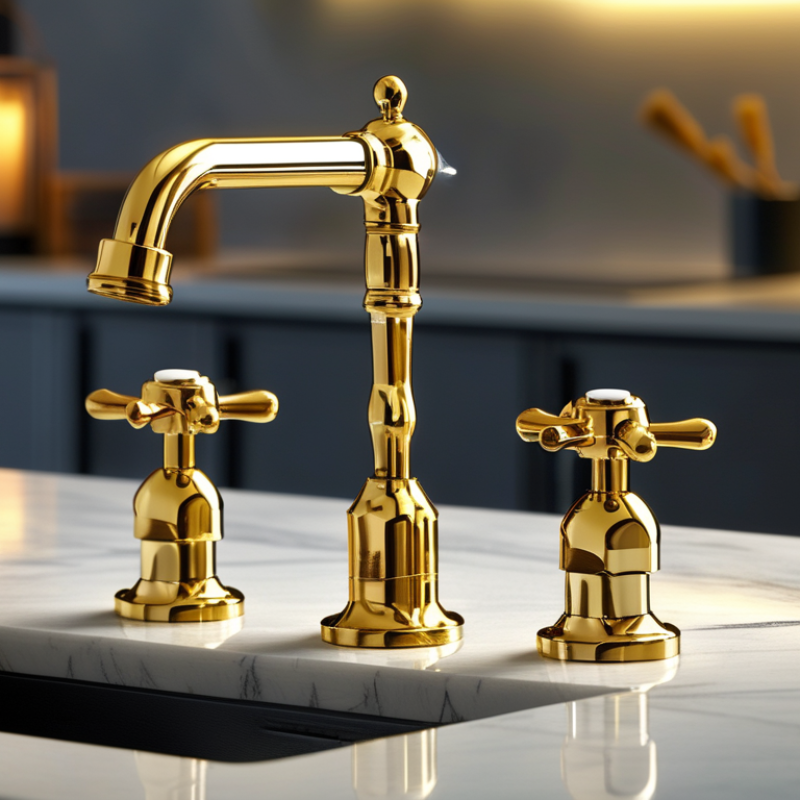
How to Polish Brass Faucets for a Brilliant Shine?

Understanding the Basics of Brass and Its Properties

Brass is a popular material for faucets due to its durability and aesthetic appeal. Made primarily of copper and zinc, brass offers a warm and inviting look in any bathroom or kitchen. Over time, however, brass can tarnish and lose its shine. Understanding the properties of brass helps in maintaining its brilliance.

The surface of brass is prone to oxidation. This process can dull its gold-like finish. Regular cleaning is essential to avoid buildup. It’s a good idea to use mild soap and water. For tougher stains, a mix of vinegar and baking soda can do wonders. Applying this paste gently can return some shine without scratching the surface.

While polishing brass faucets, remember that not all brass is created equal. Some finishes may be more resistant to tarnishing. If you notice uneven aging, it may indicate areas needing more attention. Take your time during the polishing process, focusing on one section at a time. This way, you'll ensure that each part receives adequate care. Remember, perfection is not the goal; achieving a natural, shining appearance is what truly matters.

Necessary Tools and Materials for Polishing Brass Faucets

Polishing brass faucets requires a few essential tools and materials. Start by gathering a soft cloth. It should be lint-free to avoid scratches. Additionally, you’ll need a gentle brass cleaner. Ensure it's suitable for your faucet's finish. Some people prefer to use vinegar mixed with baking soda for an all-natural approach. This combination can effectively remove tarnish.

A soft-bristled toothbrush is another handy tool. It can help reach those tricky spots. When using it, be gentle to avoid scratching the surface. For those hard-to-reach areas, consider a cotton swab. This offers precision without causing damage.

Finally, don’t forget to have some water on hand for rinsing. After polishing, it's vital to rinse away any cleaner residues. This helps maintain the faucet's shine and prevents corrosion. Be mindful to take your time. Rushing can lead to an uneven finish or missed spots. Take a moment to reflect on your technique. Assess your results to ensure a brilliant shine.

Step-by-Step Process for Cleaning Brass Faucets

Brass faucets can transform a kitchen or bathroom with their rich, warm tones. Over time, they may lose their luster due to tarnishing and water spots. Cleaning and polishing brass faucets requires a careful approach to ensure a brilliant shine without damage.

Start by gathering supplies: mild detergent, warm water, soft cloths, and a brass polish. Mix warm water with a few drops of detergent. Soak a cloth in the solution and gently wipe the faucet. Pay attention to crevices. This step removes dirt and soap scum, revealing the brass beneath. Rinse with clean water and dry with a soft towel to prevent water spots.

Next, apply brass polish using a soft cloth. Rub it in a circular motion, ensuring even coverage. Avoid excessive pressure to prevent scratches. After allowing the polish to set briefly, buff the surface with another clean cloth. This process enhances the shine and protects the brass. Remember, perfection isn't the goal. A few tarnished spots may remain as reminders of the faucet's history. Reflect on the beauty of imperfections; they tell a story about your home.

Brass Faucet Cleaning Effectiveness

Techniques for Achieving a Brilliant Shine on Brass

Polishing brass faucets can seem daunting. However, with some techniques, you can achieve a remarkable shine. Start by gathering your materials. You’ll need a soft cloth, a bowl of warm water, and a mild detergent. Mixing the soap with water is essential. It helps remove dirt and grime effectively.


After cleaning, try using a brass cleaner. Apply it with your cloth, using circular motions. This action allows the cleaner to penetrate the surface. Sometimes, you might need to repeat this process. The brass may not shine instantly. Patience is key here. Don’t be disheartened if it doesn’t look perfect right away.


Additionally, consider natural alternatives. Vinegar and baking soda create an effective homemade cleaner. Mix them into a paste and scrub gently. This can uplift stubborn tarnishes. However, be careful not to scrub too hard. Overzealous cleaning can scratch the brass. With persistence and the right method, you'll be rewarded with dazzling faucets that catch the eye.

Maintenance Tips to Keep Brass Faucets Looking New

Brass faucets add elegance to any bathroom or kitchen. However, keeping them looking new requires consistent care. According to a study by the National Kitchen and Bath Association, 40% of homeowners report that regular maintenance of fixtures greatly extends their lifespan. To maintain that brilliant shine, focus on cleaning and protective measures.

Regularly wipe down faucets with a soft cloth to remove water spots and fingerprints. Use a mild dish soap diluted in warm water for cleaning. Avoid abrasive materials that can scratch the surface, making wear and tear more noticeable. Experts recommend a monthly polishing routine with a brass cleaner or a DIY solution, like vinegar and olive oil. This not only removes tarnish but also helps in creating a protective layer against corrosion.

Water hardness can also affect brass fixtures. The Consumer Confidence Report mentions that over 85% of households in hard water areas face mineral buildup on faucets. This leads to dullness and tarnishing. To combat this, consider using a water softener. Routine checks for leaks or corrosion can prevent additional problems. A proactive approach ensures your brass faucets maintain their beauty and functionality for years.

FAQS

: What is brass made of?

: Brass is primarily made of copper and zinc.

Why do brass fixtures tarnish over time?

Brass can tarnish due to oxidation, which dulls its finish.

How can I clean brass faucets effectively?

Use mild soap and water regularly. For tough stains, try a vinegar and baking soda paste.

Can polishing brass faucets be difficult?

Yes, it may seem daunting, but the right techniques can make it easier.

How often should I polish my brass faucets?

A monthly polishing routine is recommended for best results.

What should I avoid when cleaning brass?

Stay away from abrasive materials that can scratch the brass surface.

How does water hardness affect brass fixtures?

Hard water can cause mineral buildup, leading to tarnishing and dullness.

Is perfection the goal when polishing brass?

No, a natural, shining appearance is more important than perfection.

What can I do to prevent tarnishing?

Regular maintenance, such as cleaning and using a protective layer, helps reduce tarnishing.

Should I worry if my brass shows uneven aging?

Yes, uneven aging may indicate areas needing more attention during polishing.

Conclusion

Brass faucet polishing is an essential maintenance task that can significantly enhance the aesthetic appeal of your fixtures. Understanding the properties of brass is crucial as it helps in selecting the right cleaning techniques. Begin by gathering the necessary tools and materials for effective polishing. The step-by-step process involves cleaning the faucet thoroughly before applying polishing techniques that can achieve a brilliant shine.

To maintain the luster of your brass fixtures, it's important to follow regular maintenance tips, such as avoiding harsh chemicals and using gentle cleaners. By implementing these methods, you can keep your brass faucets looking new and shining brightly for years to come.


Aria

Aria

Aria is a dedicated marketing professional with a deep passion for innovative strategies and a keen understanding of our company's product offerings. With a wealth of experience in the industry, Aria excels at crafting engaging content that highlights the unique features and benefits of our......