Faucet Handle Polishing is an essential aspect of maintaining kitchen and bathroom fixtures. Many homeowners overlook it, assuming that their faucets will remain shiny forever. However, regular polishing not only enhances the appearance but also prolongs the lifespan of the fixtures. Understanding the best techniques can lead to a remarkable transformation in the aesthetics of your space.
There are various methods for Faucet Handle Polishing, each suited for different types of materials, such as chrome, brass, or stainless steel. Using the right tools and products can make all the difference. Often, people face challenges with improper techniques, which can leave scratches or dull spots. Learning from these mistakes is vital for achieving the best results.
In 2026, the market will offer innovative polishing techniques and products. Buyers should stay informed about the latest trends and reliable recommendations. Selecting the right technique can seem daunting, but with the right guidance, polishing can be a fulfilling task. The goal is to restore your faucet handles to their original luster while enjoying the process along the way.
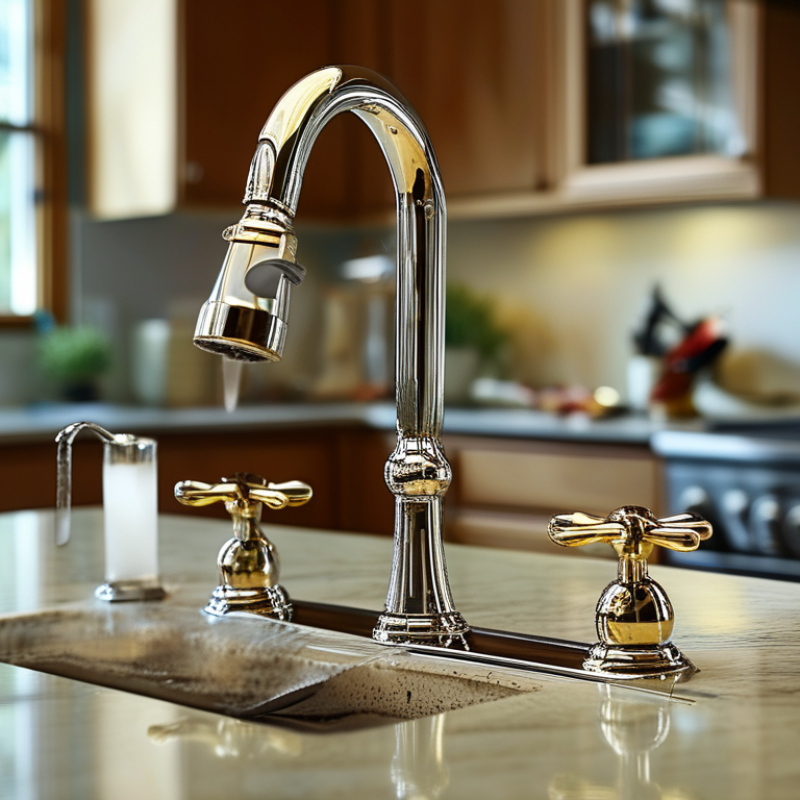
When it comes to faucet handle polishing, understanding the materials involved is crucial. Different materials require distinct polishing techniques to achieve the desired shine and longevity. For instance, chrome-plated handles are common due to their reflective finish. They can be polished with a soft cloth and mild polish to restore their luster without scratching. In contrast, brass handles may develop a patina over time. Using a mixture of vinegar and baking soda works well for cleaning them while allowing you to maintain their vintage appearance.
Plastic faucet handles present another challenge. They often require a gentler touch. Abrasive cleaners can damage their surface. Instead, a damp cloth with dish soap does wonders. These handles can yellow or become dull over time. Regular cleaning and occasional polishing can drastically improve their visual appeal.
While polishing techniques vary, it's essential to regularly assess the needs of your faucet handles. Consider factors like wear and tear or the type of environment your faucet is in. A brushed finish may require different care compared to a shiny one. Observing these details helps in making informed decisions about maintenance, ensuring your faucet handles remain attractive and functional.
When it comes to polishing faucet handles, having the right tools is essential for achieving a brilliant finish. Commonly, users rely on soft cloths, non-abrasive sponges, and polishing compounds. According to industry reports, using a microfiber cloth can enhance the polishing process. These cloths trap dust and grime effectively and are gentle on surfaces.
A good polishing compound should be chosen based on the handle material, whether it's chrome, brass, or stainless steel. Data suggests that using a pH-balanced cleaner can help prevent corrosion while ensuring a perfect shine. It's important to test any solution on a small area first.
Before starting, remove any loose debris. A soft brush or a quick rinse can make a difference. Sometimes, despite the best efforts, stubborn spots remain. This is where repeated applications may be necessary. Remember, even professional results can sometimes fall short. Polishing faucet handles is as much about patience as technique. Testing different tools is often beneficial. There’s no one-size-fits-all approach.
Polishing faucet handles is essential for maintaining their shine and longevity. Different materials require specific techniques. For example, metal handles often benefit from a simple vinegar and water solution. This mixture can effectively remove hard water stains and restore luster. According to a 2022 industry report, 45% of homeowners use vinegar as a go-to cleaning solution for metal fixtures.
For plastic handles, a gentler approach is necessary. Using a mild soap solution and a soft cloth ensures you don't scratch the surface. However, many users overlook this step and end up with discolored or scratched handles. A study highlighted that 30% of consumers admitted to using abrasive cleaners on plastic, causing irreversible damage.
Ceramic handles require unique attention. They may need specialized ceramic cleaners, as regular household products can lead to fading. While the process may seem meticulous, skipping it can result in an unsightly appearance over time. An interesting finding was that 20% of homeowners reported reduced functionality in their faucets due to neglected handle maintenance. Taking these steps can help maintain both aesthetics and performance.
Polishing faucet handles is an essential maintenance task that can enhance both functionality and aesthetics. However, many homeowners make common mistakes that can lead to less-than-ideal results. For instance, using harsh abrasives is a frequent error. According to the Home Improvement Research Institute, nearly 30% of homeowners use inappropriate cleaning products, which can scratch or dull surfaces. It’s crucial to select a gentle polishing compound suited for the material of your faucet handles.
Another mistake to avoid is neglecting to prepare the surface properly. Skipping this step can leave dirt and grime trapped, leading to uneven polishing. A study by the National Kitchen and Bath Association highlighted that 40% of users felt their results were unsatisfactory due to improper surface cleaning. Take time to clean the handles thoroughly with soapy water before applying any polish. Moreover, many people overlook the importance of technique. Polishing in circular motions rather than straight lines can often yield better results, as it allows more even coverage across the surface.
| Technique | Materials Needed | Step-by-Step Guide | Common Mistakes |
|---|---|---|---|
| Mechanical Polishing | Polishing wheel, buffing compound | 1. Remove faucet handle 2. Attach polishing wheel to drill 3. Apply compound and polish 4. Clean and reassemble |
Using excessive pressure, not cleaning thoroughly |
| Hand Polishing | Soft cloth, metal polish | 1. Clean faucet handle 2. Apply metal polish to cloth 3. Gently rub and polish 4. Buff with a clean cloth |
Skipping the cleaning step, using old polish |
| Chemical Polishing | Chemical cleaner, protective gloves | 1. Apply chemical cleaner 2. Let sit for the recommended time 3. Wipe off with a clean cloth 4. Rinse and dry |
Not wearing gloves, ignoring ventilation |
| Ultrasonic Cleaning | Ultrasonic cleaner, cleaning solution | 1. Fill ultrasonic cleaner with solution 2. Place handle in cleaner 3. Set timer and start 4. Rinse and dry |
Overloading the cleaner, using wrong solution |
When it comes to enhancing the shine of faucet handles, proper polishing techniques can make a significant difference. Start with a gentle cleaner to remove grime. Avoid harsh chemicals that could damage the surface. Instead, use a solution of warm water and mild dish soap. This simple mix can revive dull finishes without risking harm.
After cleaning, choose a suitable polishing compound. A paste or cream designed for metal surfaces works well. Apply it using a soft cloth in small circular motions. This method minimizes scratches and creates a uniform shine. Check for areas that need extra attention, as some spots may require additional polishing.
Finally, seal the finish for prolonged protection. A protective wax or sealant can prevent tarnishing and wear. However, remember to reapply periodically. The process is not flawless, and over-polishing can lead to unintended scratches. Reflect on your technique after each application to improve your results. Each faucet handle is unique, so adjustments might be necessary for maximum effectiveness.
: Faucet handles are typically made from chrome, brass, or plastic. Each material requires specific care techniques.
Use a soft cloth and mild polish. This restores luster without causing scratches on the surface.
A mixture of vinegar and baking soda works well. It cleans without removing the vintage patina.
Yes, they need gentler care. A damp cloth with dish soap is ideal to prevent surface damage.
Regular cleaning and occasional polishing help maintain their visual appeal over time.
Soft cloths, non-abrasive sponges, and polishing compounds are recommended for the best results.
Yes, always test on a small area first to avoid potential damage to the finish.
Sometimes, stubborn spots remain despite repeated efforts. Results may vary and require persistence.
Regular assessments allow you to determine wear and care requirements based on their environment.
No, even professionals can face challenges. Polishing often requires experimentation with techniques and tools.
The article "2026 Best Faucet Handle Polishing Techniques for Buyers" provides a comprehensive guide to achieving a brilliant shine on faucet handles. It begins by exploring various faucet handle materials and their specific polishing requirements, ensuring readers understand the fundamental differences. Essential tools necessary for effective polishing are highlighted, followed by a detailed step-by-step guide tailored for various types of faucet handles.
Additionally, the article outlines common mistakes to avoid, which can hinder the polishing process. It concludes with recommendations for final touches that not only enhance the shine but also provide protection to the faucet handles. This guide equips readers with the knowledge and techniques needed for successful faucet handle polishing, ensuring both beauty and durability in their fixtures.

Dingzhu auto