The rise of the Intelligent Polishing Robot is transforming various industries. This cutting-edge technology offers significant benefits for global buyers. Many companies seek to enhance efficiency and precision in their polishing processes.
With the Intelligent Polishing Robot, manufacturers report improved consistency and quality in their products. This robot reduces human error while freeing up workers for more complex tasks. However, initial investments may seem daunting for some businesses.
Buyers must carefully evaluate their needs and budget before committing to this technology. While the advantages are clear, the decision to adopt may not be straightforward. The Intelligent Polishing Robot holds promise, but users must also consider training and maintenance challenges. Balancing innovation with practical investment is crucial for success.
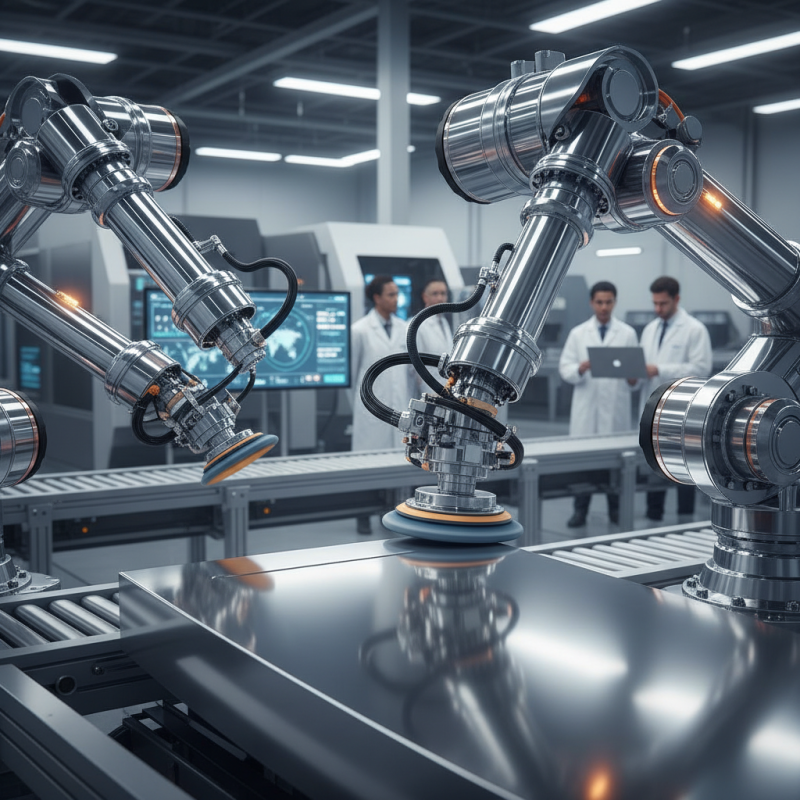
Intelligent polishing robots are transforming various industries. These machines not only enhance efficiency but also elevate product quality. They employ advanced algorithms to analyze surface conditions. This allows them to optimize polishing techniques in real-time. As a result, manufacturers benefit from consistency and reduced labor costs.
Tips: Regular software updates are essential. This ensures the robot operates with the latest enhancements. Monitor wear and tear on polishing pads. It’s crucial for maintaining optimal performance.
Understanding how these robots function reveals their true potential. They often incorporate sensors to detect imperfections. This data-driven approach minimizes human error but may require careful calibration. Users might find that initial setup takes time and patience, and this adjustment phase can be challenging.
Tips: Invest in training for your team. Familiarity with the robot's capabilities maximizes output. Document any issues during operation. Reviewing these can lead to significant improvements.
Intelligent polishing robots bring significant advantages to users across various industries. Their key features make them stand out. These robots often incorporate advanced sensors, allowing them to assess surfaces effectively. This ensures a systematic approach to polishing. Through adaptive learning, they improve over time, becoming more efficient and accurate.
Another notable feature is their ability to handle complex geometries. Robots can adapt to different shapes and sizes, reducing the need for manual adjustments. This versatility is crucial in manufacturing environments where precision is vital. Users can expect consistent results, which can enhance the overall quality of work.
While the technology is promising, it is essential to address potential challenges. Maintenance may require specialized knowledge, and there can be a learning curve for new users. Moreover, relying entirely on automation can lead to a decrease in hands-on experience for workers. Finding the right balance between robots and human expertise is vital for optimal outcomes. Users should evaluate their needs to make informed decisions about integrating these robots into their operations.
Intelligent polishing robots offer significant cost-effectiveness for global buyers. The upfront investment might seem high, but the long-term savings are undeniable. Reduced labor costs and improved efficiency result in lower overall expenses. These robots can work continuously, completing tasks faster than human workers. This can lead to increased production rates.
Integrating intelligent polishing robots into operations can also minimize waste. With precise control, these machines use resources efficiently. Sometimes, however, the initial programming may require fine-tuning. This can lead to challenges as businesses adapt their processes. The key here is to remain open to adjustments and improvements.
Tips for buyers: Regular maintenance can enhance robot longevity. Assess your specific polishing needs before purchasing. Look for models that offer flexibility in applications. This strategic approach ensures that you maximize your investment. The right choice can lead to transformative efficiency in your polishing operations.
Intelligent polishing robots are changing how industries approach efficiency and quality. These machines automate the polishing process, reducing human error and enhancing consistency. By leveraging advanced algorithms, they can adapt to various materials, ensuring that each surface receives the appropriate treatment. This adaptability increases productivity, as the robots can work continuously without fatigue.
However, the integration of these robots is not without challenges. Companies must invest in training and maintenance to ensure optimal performance. Moreover, the initial cost can be a hurdle for some businesses. These factors require careful consideration before making a decision. In addition, while robots improve polishing quality, they may not always match the finesse of skilled artisans.
Nevertheless, the potential benefits cannot be overlooked. Intelligent polishing robots not only enhance the quality of the final product but also streamline operations. They open new avenues for creativity and innovation in design processes. As industries evolve, embracing these technologies may define competitive advantages in a rapidly changing market.
The future of intelligent polishing robots looks promising. These machines are rapidly evolving to meet market demand. Recent advancements focus on automation and precision. Buyers now seek reliable solutions for high-quality finishes in various industries. Intelligent polishing robots can minimize human error. Their ability to replicate tasks consistently boosts efficiency.
Market trends indicate a shift towards customization. Buyers desire robots that can adapt to different materials and surfaces. Flexibility is key in this competitive landscape. However, challenges exist. The integration of such technology can be complex and costly. Companies may encounter steep learning curves. The balance between investment and return on efficiency remains a point of reflection.
The demand for eco-friendly solutions is also growing. Many users prioritize sustainability alongside productivity. While intelligent polishing robots offer numerous advantages, they require regular maintenance and updates. This adds an extra layer of consideration. Implementing these advanced systems might not always guarantee immediate results. Continuous improvement and adaptation are essential for long-term success in this evolving market.
: They provide improved surface assessment and systematic polishing through advanced sensors.
They handle complex geometries, reducing manual adjustments and ensuring precision.
Consistent results enhance the overall quality of work, crucial in manufacturing.
Maintenance requires specialized knowledge, and there’s a learning curve for new users.
Yes, fully automating processes may decrease workers' practical skills.
They lower labor costs and increase productivity, leading to long-term savings.
Fine-tuning might be needed, and businesses should remain open to adjustments.
Regular maintenance and assessing specific needs before purchase are key factors.
Flexibility in applications and models that suit their specific polishing tasks.
There can be difficulties in adapting existing processes to new technology.
The article "Intelligent Polishing Robot Benefits for Global Buyers?" delves into the transformative impact of Intelligent Polishing Robots on various industries. It begins with an overview of their functionality, highlighting key features such as precision, adaptability, and automation that enhance user experience. These robots are designed to improve cost-effectiveness for buyers, as they reduce labor costs and minimize material waste, making them an attractive investment.
Furthermore, the article emphasizes the significant impact of Intelligent Polishing Robots on efficiency and product quality. By automating the polishing process, these robots can achieve consistent results while freeing up human resources for more complex tasks. Lastly, the discussion on future trends reveals a growing market demand driven by advancements in technology, suggesting that Intelligent Polishing Robots will become increasingly integral to modern manufacturing processes.

Dingzhu auto