An Automatic Buffing Machine is an essential tool in various industries. It enhances surfaces, ensuring products shine and gleam. This machine not only saves time but also increases efficiency in the buffing process.
Understanding how the Automatic Buffing Machine works can clarify its role and benefits. These machines utilize rotating pads to polish surfaces. They can adapt to different materials, from metals to plastics. As with any technology, users must consider potential challenges. The setup might require careful calibration to get optimal results.
Despite its advantages, the Automatic Buffing Machine may not guarantee perfection. Factors like operator skill and material type can affect outcomes. Observing these variables is crucial for achieving desired finishes. With this knowledge, industries can maximize the benefits of automatic buffing.
Definition and Purpose of an Automatic Buffing Machine
An automatic buffing machine is a vital tool in various industries for enhancing surface finishes. This machine automates the buffing process, ensuring consistent quality. It is designed to polish materials, including metals and plastics, leaving a smooth, shiny surface. The main purpose of this device is to improve the aesthetic appeal and functionality of products, making them more attractive to consumers.
Using an automatic buffing machine can increase productivity. Operators can save time and effort. This equipment often features adjustable speeds and pressure settings, allowing customization for different materials. Regular maintenance is crucial to ensure optimal performance. Tips for effective use include checking the buffing pads regularly. Worn pads can lead to uneven finishes.
While automatic buffing machines are efficient, they require careful handling. Improper use may lead to surface damage or inconsistent results. Operators should practice caution and undergo proper training. It's beneficial to periodically assess the machine's effectiveness and adjust techniques as necessary. Always prioritize safety by wearing appropriate protective gear when operating the machine.
Key Components of an Automatic Buffing Machine
An automatic buffing machine is integral in polishing and finishing surfaces. These machines operate with precision, enhancing the aesthetic appeal and functionality of various materials. Understanding the key components is essential to appreciate how they work effectively.
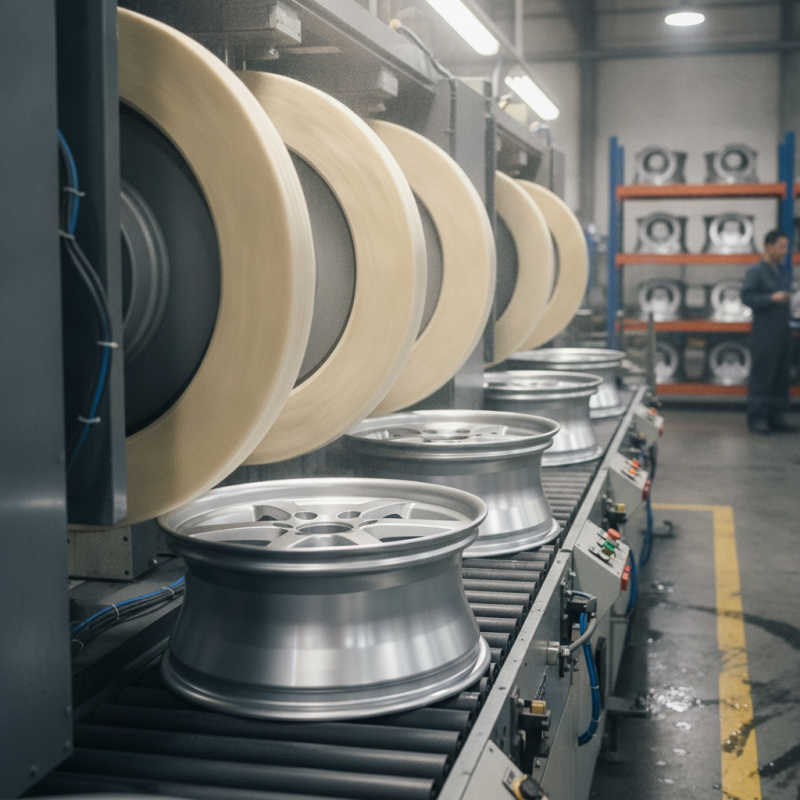
The heart of an automatic buffing machine lies in its motor. This power source drives the buffing pads, ensuring consistent speed and pressure. The pads are often made from varying materials, each suited for specific tasks. For instance, softer pads are better for delicate finishes, while more abrasive options tackle tougher surfaces. Additionally, the control system allows users to adjust speed and pressure, maximizing results based on the material being polished.
Another crucial component is the feed mechanism. This system directs the item being polished toward the buffing pads. If misaligned, it can lead to uneven finishes or damage. Regular calibration and maintenance are vital to prevent such issues. Finally, the safety features, including emergency stops and protective shields, ensure that operators are safe while working. Each element must function correctly to achieve the desired outcome, highlighting the complexity behind what seems like a straightforward process.
How an Automatic Buffing Machine Operates
An automatic buffing machine is a powerful tool in various industries, especially in manufacturing and automotive sectors. These machines enhance the surface finish of materials by polishing with precision. They operate through a series of rotating buffing wheels or pads. The material is usually fed into the machine, where it is subjected to the buffing action. This process not only improves aesthetics but also enhances corrosion resistance, as noted in a report by the International Journal of Surface Engineering.
The efficiency of automatic buffing machines is remarkable. According to the National Institute of Standards and Technology, these machines can reduce labor costs by up to 30%. They provide consistent results that manual buffing often cannot match. However, it’s essential to acknowledge the learning curve associated with these machines. Operators must be trained to adjust speed and pressure accurately, as improper settings can lead to uneven finishes.
Moreover, while these machines streamline production, maintenance cannot be overlooked. Regular checks are vital to ensure optimal operation. Neglecting maintenance might lead to breakdowns or subpar results. This reflects the need for a balance between automated processes and human oversight. Continuous training and evaluation of the machine's performance can lead to better outcomes, making the automatic buffing machine an essential asset in any production facility.
What is an Automatic Buffing Machine and How Does It Work?
| Feature |
Description |
| Operating Principle |
Uses a rotating buffing wheel to polish surfaces of various materials. |
| Applications |
Used in manufacturing, automotive, jewelry, and furniture industries. |
| Key Components |
Includes buffing wheels, motors, control systems, and framework. |
| Benefits |
Increases efficiency, consistency, and quality of finishing processes. |
| Types of Buffering |
Includes rotary and belt buffing techniques. |
| Safety Features |
Safety guards, emergency stop buttons, and protective housing. |
Applications of Automatic Buffing Machines in Various Industries
Automatic buffing machines play a crucial role in various industries, enhancing surface finishes efficiently. These machines are designed to polish products, making them shine with minimal human intervention. They can be programmed for different materials, such as metals, plastics, and woods. Their precision leads to uniform results, essential in manufacturing.
In the automotive sector, for example, buffing machines are used to refine the aesthetic appeal of cars. They effectively remove scratches and imperfections from surfaces, leaving a flawless finish. Jewelry makers also benefit greatly. The machines help to polish intricate designs, enhancing the brilliance of each piece without excessive manual effort.
While automatic buffing machines offer impressive efficiency, their use does require careful oversight. Operators must ensure that settings are appropriate for the material type. Incorrect settings can lead to damage or uneven polishing. Regular maintenance of these machines is also crucial. Neglect can affect performance, leading to subpar results. Balancing automation with quality control remains a critical discussion in industries.
Benefits of Using an Automatic Buffing Machine
Automatic buffing machines are revolutionizing the way industries achieve
glossy finishes on various surfaces. One of the primary benefits of using
these machines is improved efficiency. They significantly reduce the time required for buffing tasks,
allowing workers to focus on other critical areas of production. Unlike manual buffing, which can be slow and tedious, automatic machines maintain
consistent speeds that ensure thorough and even polishing.
Another advantage is the quality of the finish. Automatic buffing machines can adapt to different materials and surfaces. This versatility leads to
high-quality results across various applications. However, it is essential to maintain and
calibrate the machines regularly. Neglecting this can lead to uneven finishes. Operators need to be trained
to monitor the equipment for potential issues, highlighting the need for ongoing learning and adaptation in operating procedures.
Furthermore, using these machines can enhance workplace safety. Manual buffing often exposes
workers to potential hazards from dust and polishing compounds. By automating the process, the risk of accidents and exposure is minimized.
Nevertheless, over-reliance on technology can create a gap in skill development for workers.
Balancing machine use with skill training is vital to maintain a knowledgeable workforce.
FAQS
: It enhances surface finishes, making materials smoother and shinier. This improves aesthetic appeal and functionality.
It uses rotating buffing wheels or pads to polish materials, enhancing their appearance and corrosion resistance.
Yes, it saves time and effort, allowing operators to focus on other tasks while ensuring consistent results.
Regular checks of buffing pads and parts are necessary to ensure optimal performance and avoid uneven finishes.
Improper use can cause surface damage. Proper training is essential to prevent such issues.
It helps in adjusting speed and pressure accurately, preventing inconsistent results and ensuring safety during operation.
Periodic evaluations of its performance and results can guide adjustments in techniques and settings.
Neglected machines might break down or produce subpar results, affecting overall production quality.
Yes, wearing appropriate gear is crucial to maintain safety while using the machine.
They have a learning curve and require careful handling to avoid mistakes and imperfect finishes.
Conclusion
An Automatic Buffing Machine is a specialized device designed to enhance surface finishes on various materials through automated polishing processes. Its primary purpose is to achieve a high-quality shine and remove imperfections without the need for manual labor. Key components of these machines typically include a motor, buffing pads, and an adjustable speed control mechanism, which together ensure efficient operation.
These machines function by rotating buffing pads against the surface of the item being polished, allowing for a consistent finish across multiple applications, from automotive to metalworking industries. The benefits of using an Automatic Buffing Machine include improved efficiency, uniform results, and significant time savings, making them a valuable asset in modern manufacturing processes.

 Dingzhu auto