Aluminium Castings Polishing is a critical step in ensuring the quality of cast parts. Experts agree that this process greatly enhances the overall appearance and functionality of the components. Dr. Emily Harper, a renowned expert in the field, stated, "Polishing aluminium castings is not just about looks; it is vital for performance and longevity."
In today’s competitive manufacturing landscape, the importance of Aluminium Castings Polishing cannot be overstated. This process removes surface imperfections that could lead to corrosion or mechanical failure. Furthermore, a well-polished surface improves paint adhesion and minimizes wear during operation. Yet, many manufacturers overlook this crucial step, leading to product flaws that could easily have been avoided.
We often see inconsistencies in the polishing process. Achieving a flawless finish is a challenge. Inadequate training and inadequate equipment may contribute to these issues. Continuous improvement in techniques is essential. High-quality Aluminium Castings Polishing processes can set a company apart, ensuring that products not only meet but exceed customer expectations.
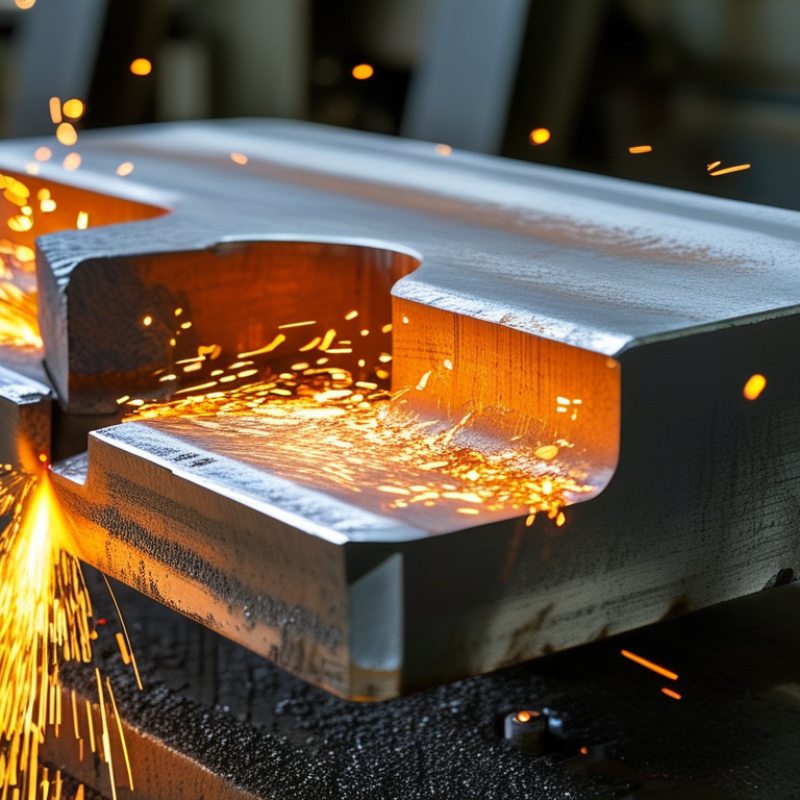
Importance of Aluminium Castings in Manufacturing Industry
Aluminium castings play a vital role in the manufacturing industry. They are used in various applications, from automotive parts to aerospace components. The versatility of aluminium makes it a preferred material due to its lightweight nature and resistance to corrosion. Manufacturers rely on aluminium castings for efficient production processes and high-quality final products.
However, the quality of aluminium castings is heavily dependent on surface finishing techniques. Polishing is one such essential process that enhances the appearance and performance of the castings. A polished surface reduces friction, which can lead to improved functionality. It also allows for better coatings, further protecting the underlying metal from wear and environmental factors. Neglecting the polishing step can result in defects that impact the durability of the final product.
Despite its importance, some manufacturers overlook the need for polishing. This often stems from time constraints or cost considerations. Yet, this decision can lead to more significant issues down the line. For instance, poorly polished castings may require rework, further driving up production costs and timeline. Manufacturers must recognize that investing in proper polishing techniques is not just a cosmetic choice but a necessary step for maintaining quality control.
Understanding the Aluminium Casting Process and Its Challenges
The aluminium casting process is intricate and presents several challenges. It starts with melting and pouring molten aluminium into molds. Once cooled, defects can arise, such as air pockets or surface imperfections. These flaws can compromise product integrity. Proper finishing is essential to ensure aesthetic appeal and functionality.
Polishing is a vital part of the quality control process. It enhances the visual aspect and removes imperfections from the surface. A well-polished casting reflects quality craftsmanship and assures customers of the product's reliability. Attention to detail during polishing also helps identify hidden flaws that might be missed during casting.
When polishing aluminium castings, consider these practical tips: ensure proper equipment is used for consistent results. Use progressively finer abrasives to achieve a smooth finish. Take your time; rushing can lead to uneven surfaces. Regular inspection during the polishing process can prevent costly mistakes, ensuring each piece meets precise quality standards.
Why is Aluminium Castings Polishing Essential for Quality Control? - Understanding the Aluminium Casting Process and Its Challenges
| Process Step |
Description |
Challenges |
Importance of Polishing |
| Melting |
Aluminium is melted at high temperatures to prepare for casting. |
Inconsistent melting can lead to impurities. |
Polishing removes oxidation and achieves a smooth finish. |
| Molding |
Melted aluminium is poured into molds. |
Mold defects can affect the final product. |
Ensures uniform surface for proper finishing. |
| Cooling |
Cast parts are allowed to cool and solidify. |
Uneven cooling may lead to warping. |
Polished surfaces reduce stress and enhance appearance. |
| Finishing |
Excess material is removed, and surfaces are finished. |
Surface imperfections can lead to functional issues. |
Critical for aesthetic and protective features. |
| Quality Control |
Final inspection of the castings. |
Defect detection can be challenging without proper finishing. |
Polishing enhances detection of surface defects. |
Role of Polishing in Enhancing Aesthetic and Functional Properties
Polishing aluminium castings plays a crucial role in enhancing both aesthetic and functional properties. A well-polished surface can transform a dull product into a visually appealing piece. This transformation is not merely cosmetic; it impacts the overall quality perception of the product. A shiny, smooth finish draws attention. Customers are often attracted to products that look good, which can drive sales.
However, achieving a flawless polish is sometimes a challenge. Inconsistencies during the polishing process can lead to uneven surfaces. These imperfections not only detract from the aesthetic appeal but can also affect the functionality. For instance, rough surfaces may harbor contaminants or weaken structural integrity. It’s essential to identify these issues early in the production process. Training workers on proper polishing techniques can help mitigate such risks.
Moreover, a polished surface contributes to corrosion resistance and ease of cleaning. This is vital in industries where hygiene is critical. Yet, it’s important to note that excessive polishing can alter dimensions. Striking the right balance is key. Regular quality control checks can help ensure that the polishing enhances, rather than detracts from, the final product’s quality.
Importance of Aluminium Castings Polishing in Quality Control
Quality Control Measures in Aluminium Castings: The Polishing Perspective
Polishing plays a crucial role in quality control for aluminium castings. When it comes to surface finish, rough surfaces can lead to defects. According to industry reports, nearly 30% of casting failures stem from surface imperfections. These failures often result in increased costs and delays. Ensuring a smooth finish reduces these risks significantly.
The polishing process not only enhances aesthetics but also improves functional performance. A polished surface can minimize friction and wear. A study highlighted that polished components can experience up to 20% longer service life. However, achieving uniform polishing remains a challenge. Inconsistent application may cause weak points in the casting. This inconsistency could lead to future failures.
Monitoring and refining the polishing techniques is vital. Specialized equipment and training can help maintain quality. Despite advancements, some operators still struggle with achieving the desired finish. Continued education and regular assessments in polishing methods are essential for improvement. Focusing on these areas can elevate the overall quality of aluminium castings. Such measures ensure that the end products not only meet industry standards but also satisfy end-user expectations.
Impact of Polishing on Product Durability and Longevity
Polishing aluminum castings is more than a cosmetic procedure; it significantly influences product durability and longevity. When aluminum surfaces are polished, they become smoother and less prone to corrosion. This process removes oxidation and impurities, which can weaken the structure over time. A polished surface reflects light better, enhancing aesthetic appeal while providing a protective barrier against environmental factors.
However, polishing isn't without its challenges. Over-polishing can strip away important layers, leading to potential structural weaknesses. It's essential to find the right balance. The technique used must be appropriate for the specific type of aluminum alloy. Not all finishes are created equal, and the choice of polishing methods can affect performance. A reflective surface may look good, but it may also require more frequent maintenance.
Furthermore, manufacturers often overlook polishing’s long-term benefits. Customers may prioritize initial costs over durability. Yet, investing in quality polishing can lead to reduced repairs and replacements. This can save money and resources in the long run. Ultimately, understanding the impact of polishing on aluminum castings is crucial for making informed decisions. It reflects a commitment to quality and sustainability in the production process.
Conclusion
Aluminium Castings Polishing is a critical process that enhances both the aesthetic and functional properties of aluminium products in the manufacturing industry. Given the significance of aluminium castings in various applications, understanding the casting process and its inherent challenges is essential. Polishing not only improves the surface finish but also plays a vital role in quality control, ensuring that products meet the required standards for durability and longevity.
Moreover, effective quality control measures centered around Aluminium Castings Polishing can greatly impact the overall performance of the final product. By reducing defects and providing a smooth surface, polishing contributes to the enhanced durability of aluminium castings, leading to improved customer satisfaction and product reliability. Thus, Aluminium Castings Polishing is not merely an aesthetic enhancement but an essential component of quality assurance in the manufacturing process.

 Dingzhu auto